- Ambre Charpagne
- Anna De Castro Barbosa
- Elvire Ménétrier
- Hoa Dung Clerget
- Jot Fau
- Julia Bonich
- Lisa Signorini
- Natacha Donzé
- Rose-Mahé Cabel
- Mathilde Fenoll
Désenchantée
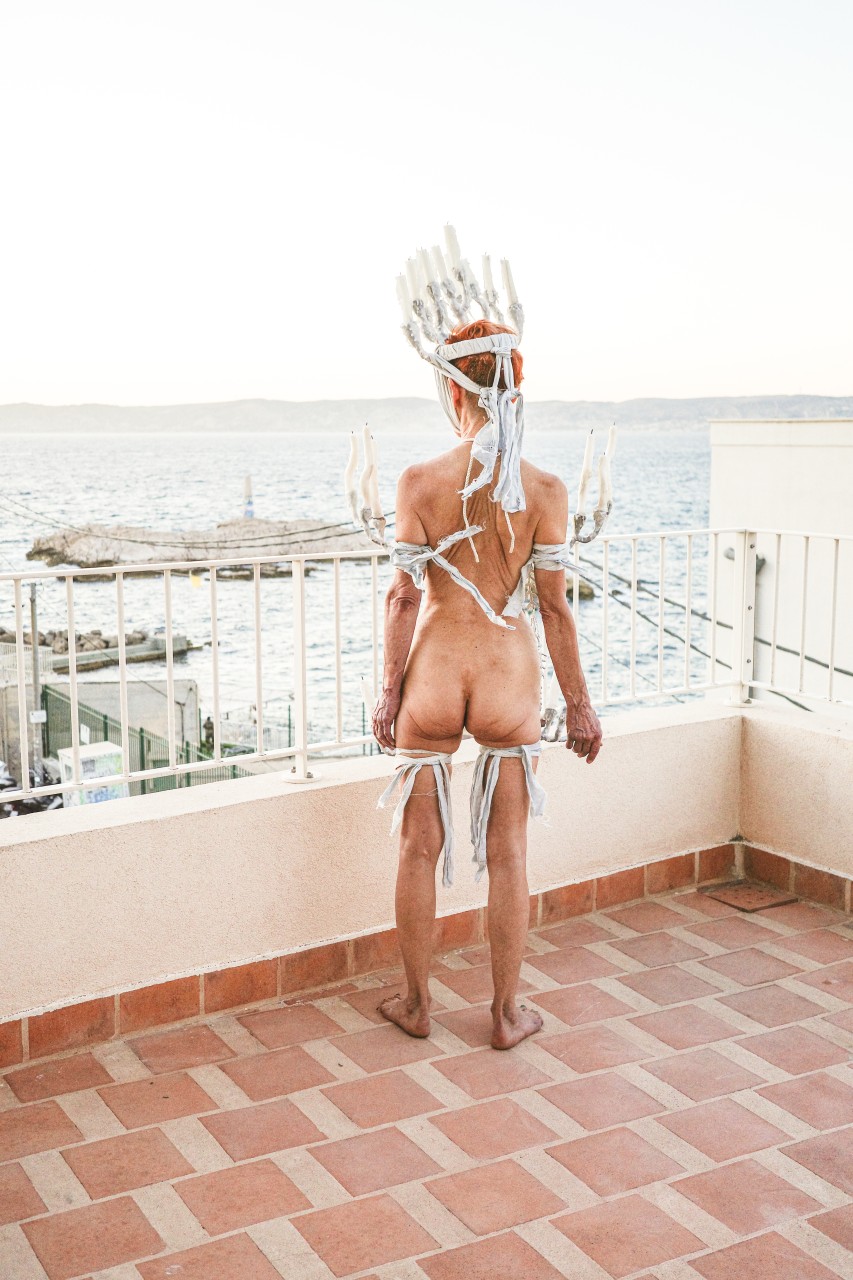
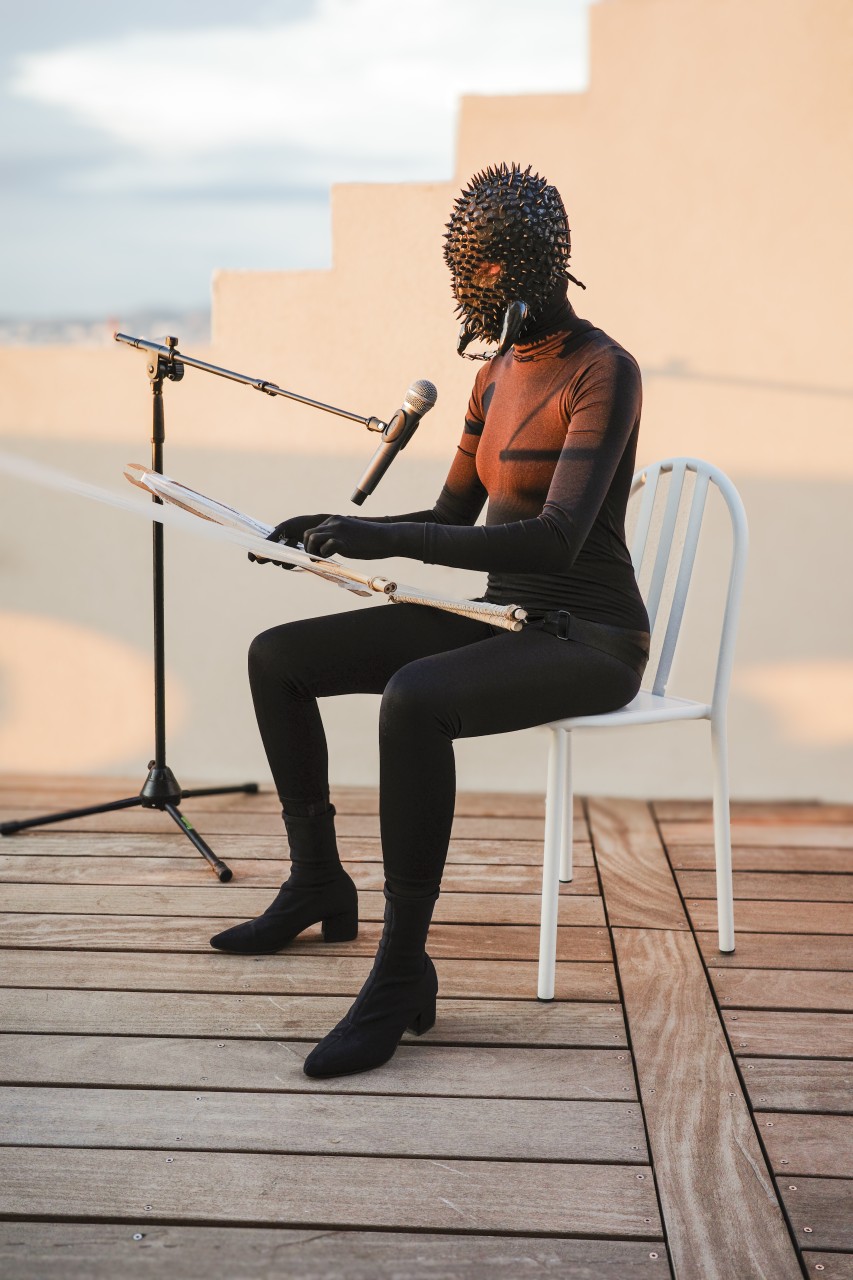
Disenchanted showcases various practices surrounding the concept of magic, in which the body acts as an intermediary between the visible and intangible worlds. Materialized through a focus on care, different forms of spirituality, and a desire to reveal forces beyond our comprehension, the artists featured in the exhibition offer rituals stemming from their personal obsessions and associated with various beliefs. Magic is thus understood in its healing function—it repairs silently, through repetition, symbolic charge, and the activation of discreet energies—; defensive—it acts as an obscure and protective medium—; transformative—it offers the possibility of metamorphosing and broadening our perception of reality.
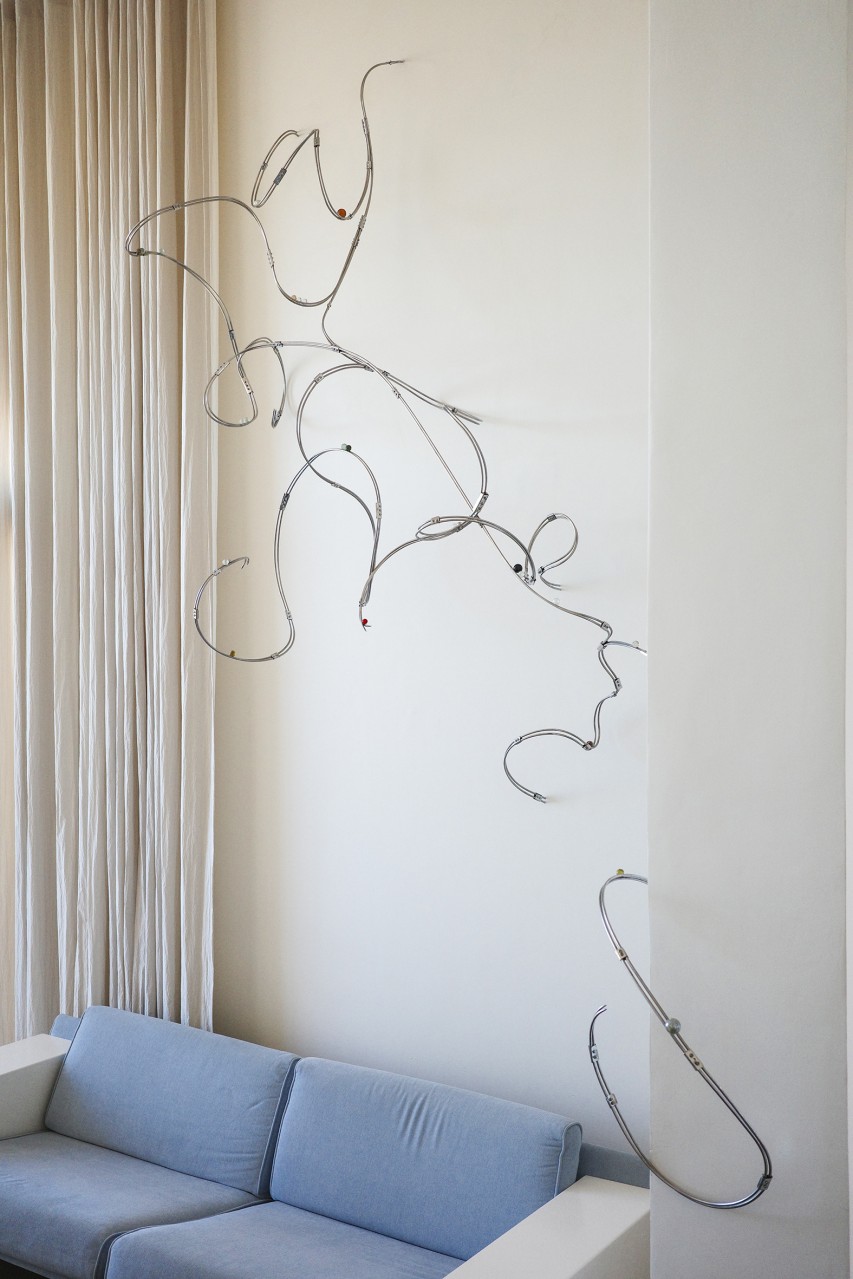
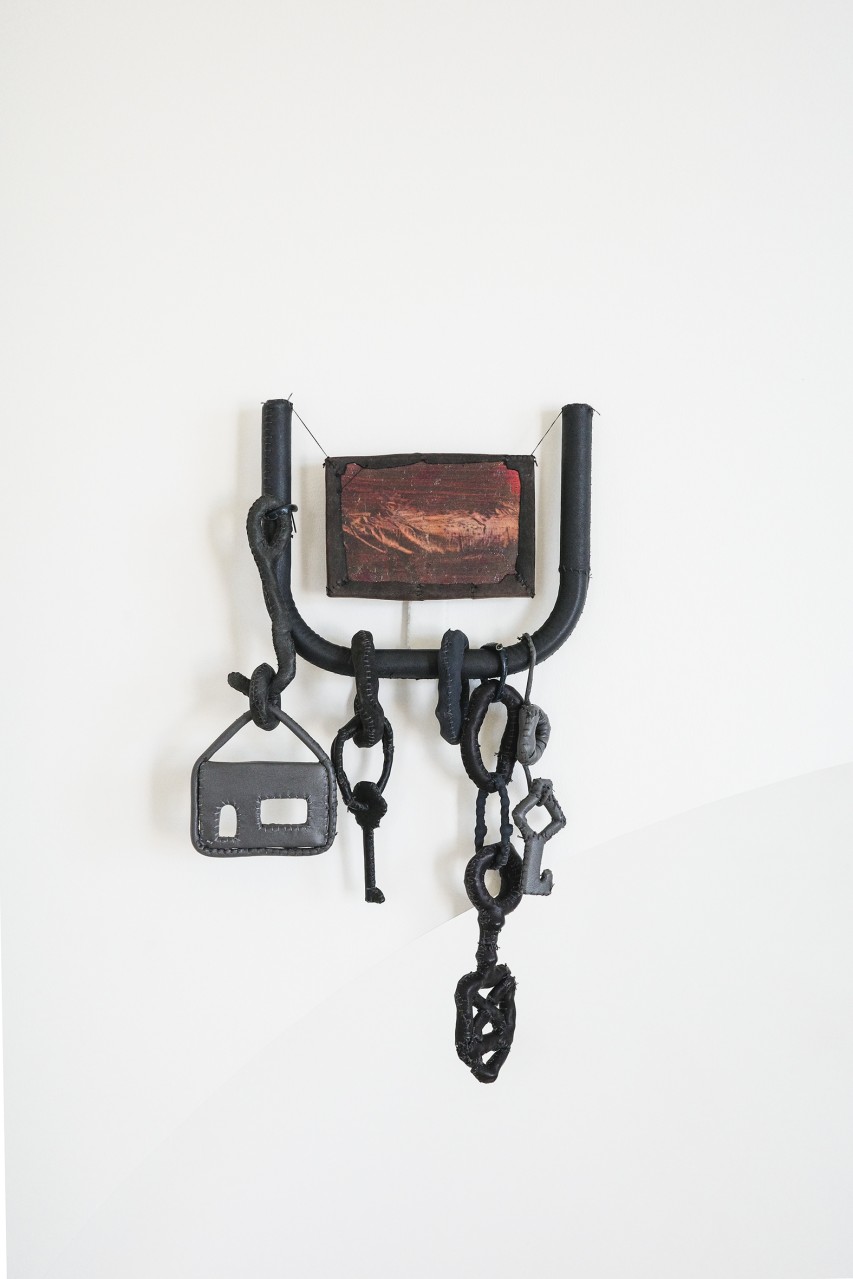
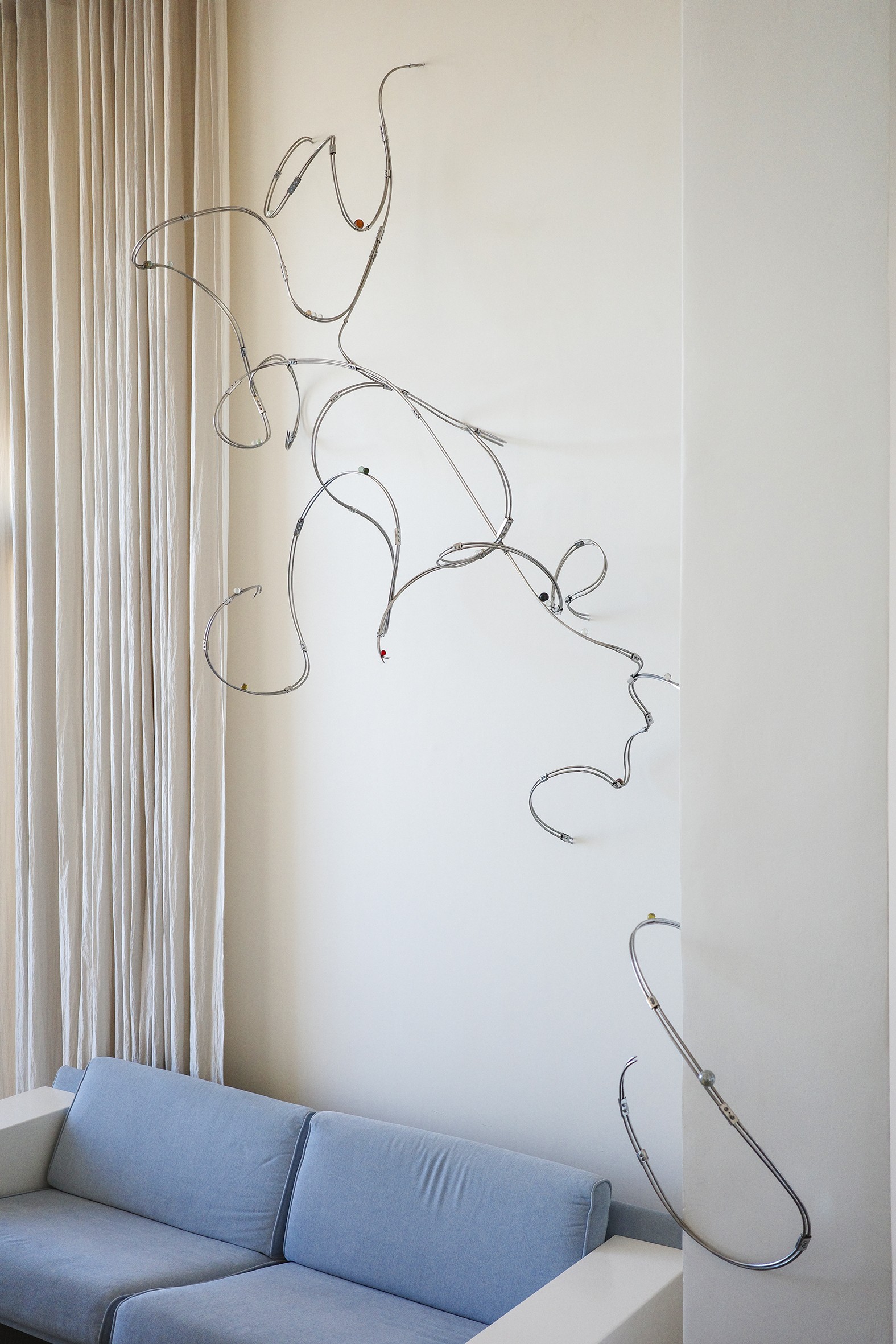
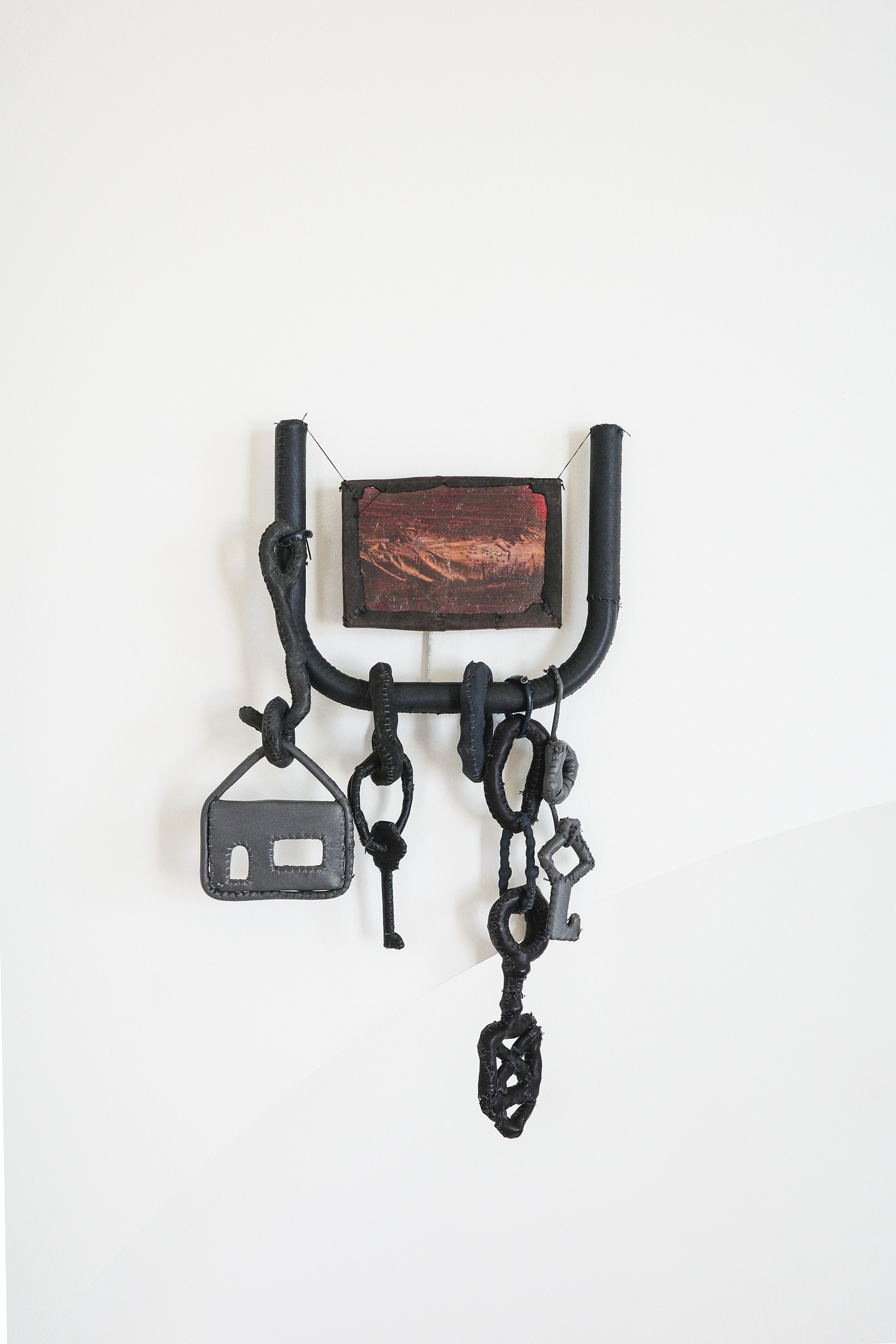
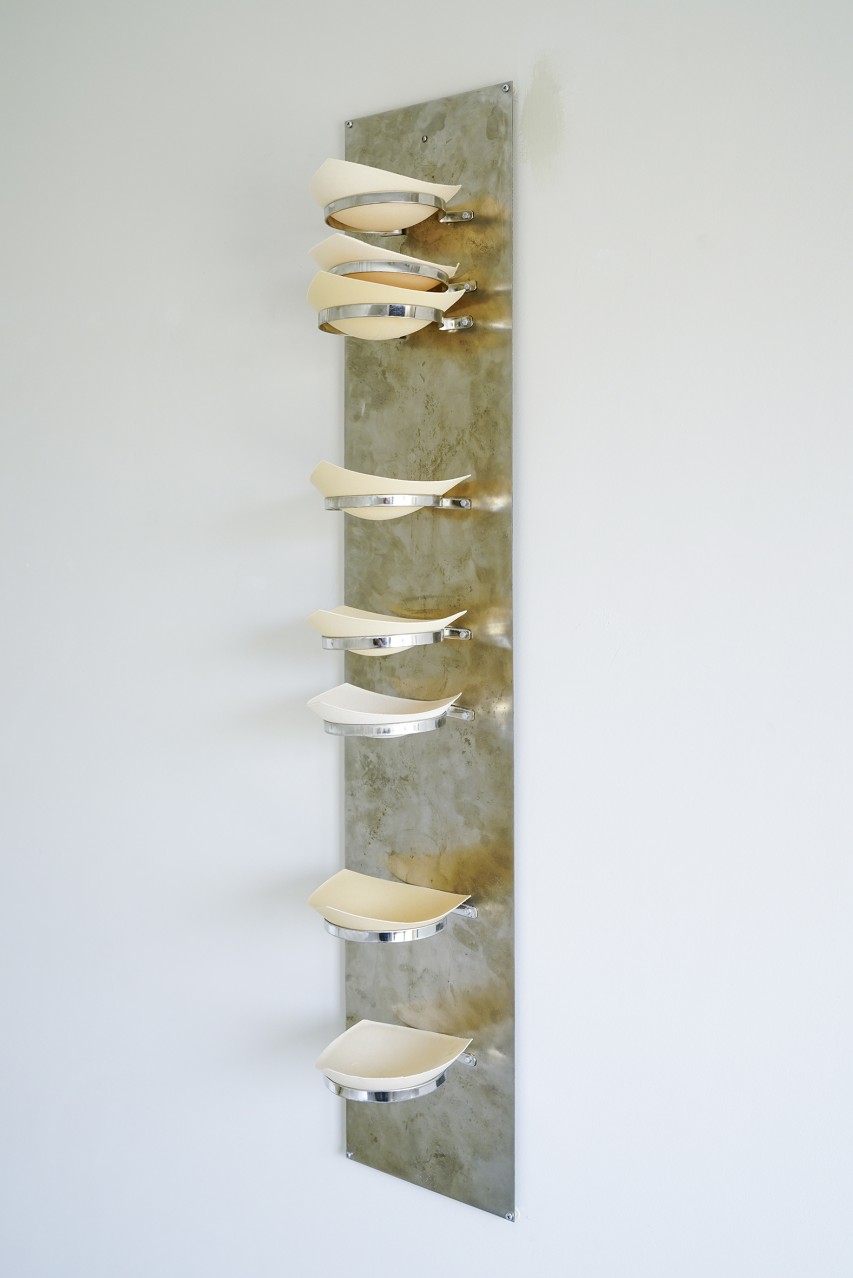
First and foremost, it is about magic in its most harmless sense. Objects of wonder, jubilant inconsistencies, and artifice, artists Anna de Castro Barbosa and Jot Fau—whose works are presented in dialogue at Art-o-rama—invite us to conceive of magic as a game to be played. Anna De Castro Barbosa has recently begun to explore this question through a reflection on the notions of falling, imbalance, vertigo, and attraction. Her aerial abacuses create subtle tensions as well as a sense of danger induced by their threatening extremities. Weightless, the balls seem to levitate in a relationship to space that appears to defy the laws of physics. Jot Fau, for her part, composes a series of talismanic objects to which she confers universal significance through the use of a covering technique. The colored leathers form compositions reminiscent of childhood and its various stages of development. Beyond their apparent naivety, each piece is the sum of personal stories, objects carefully sought out and chosen, sources of both hope and despair. Invested with defensive power, they also refer to the protective charms placed at the entrance to homes to ward off the evil eye.
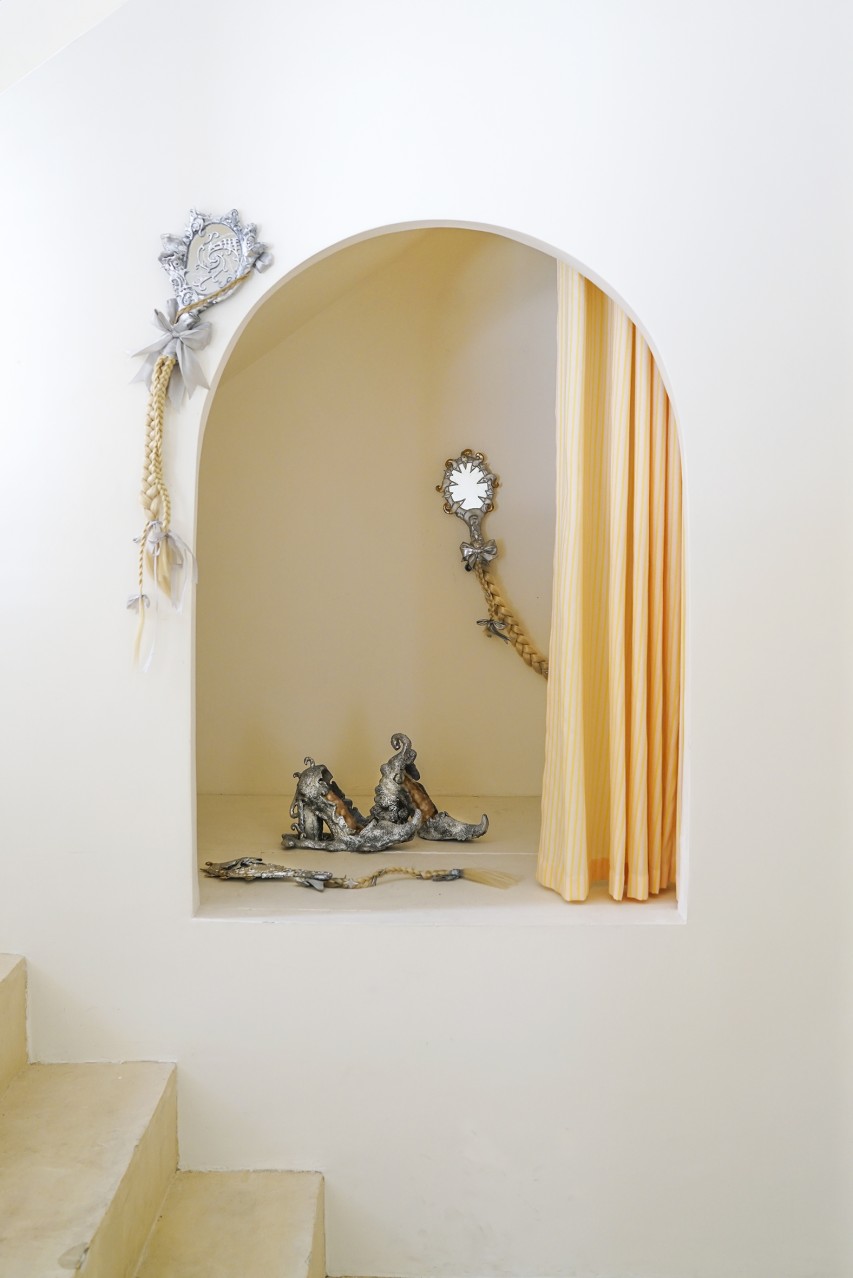
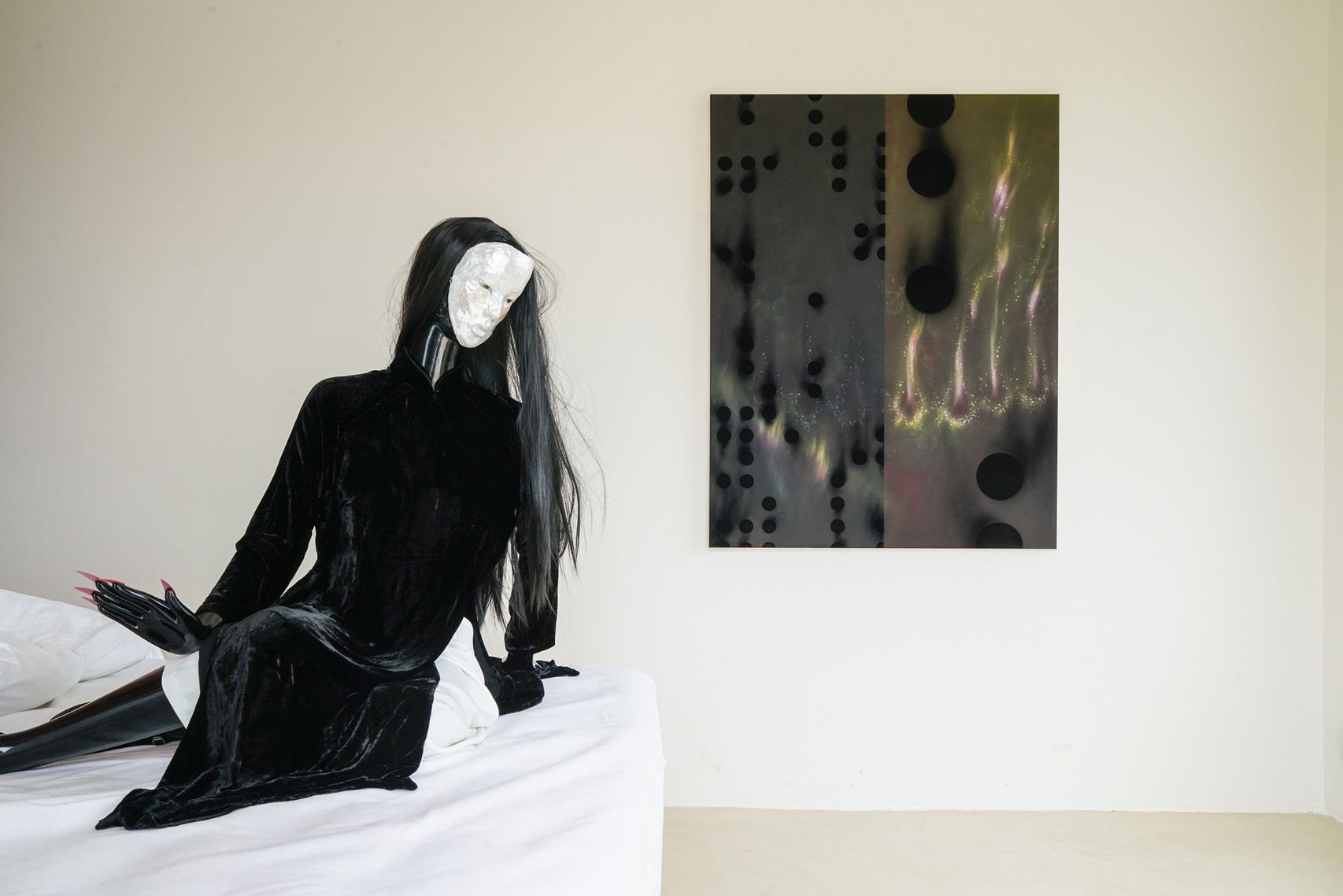
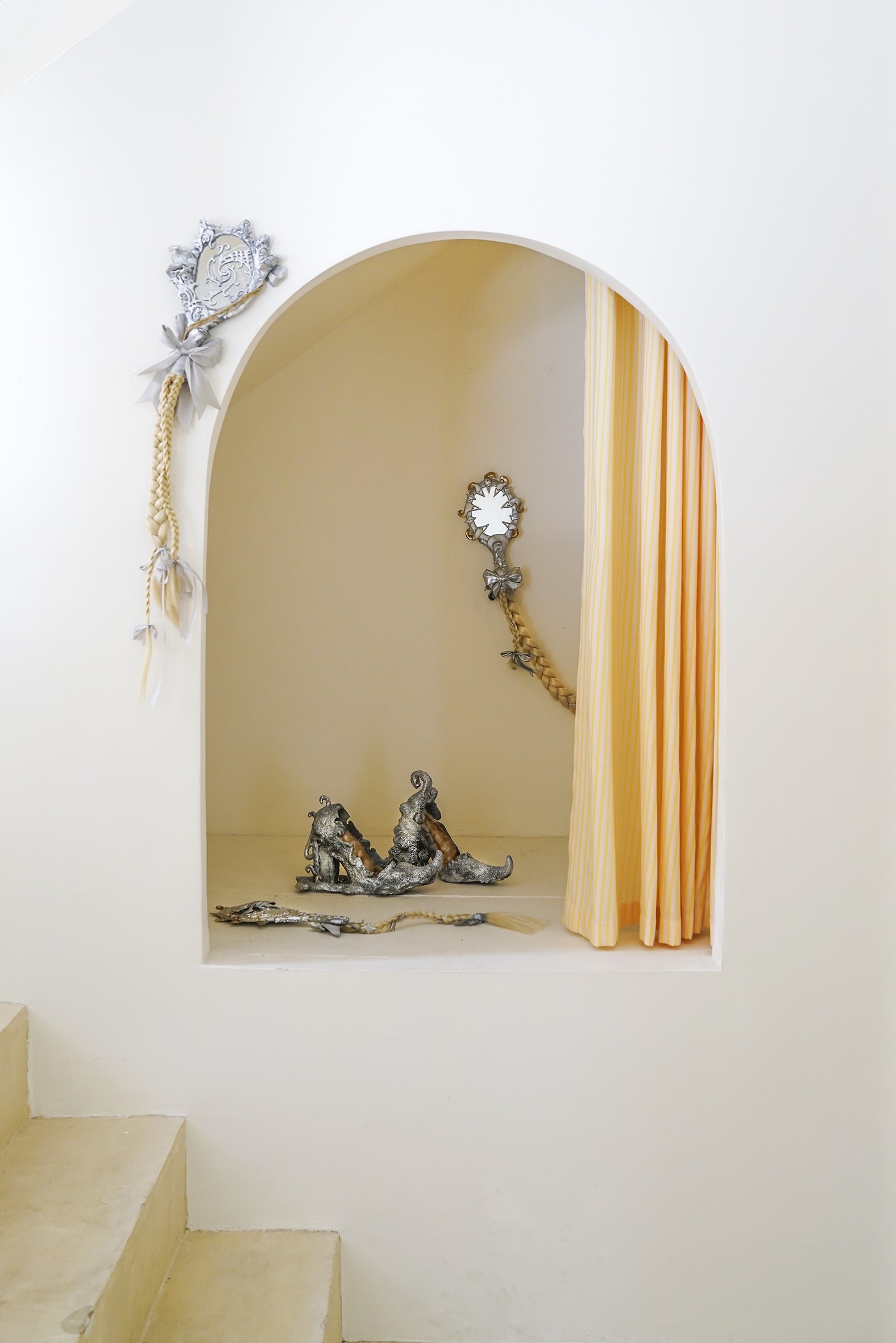
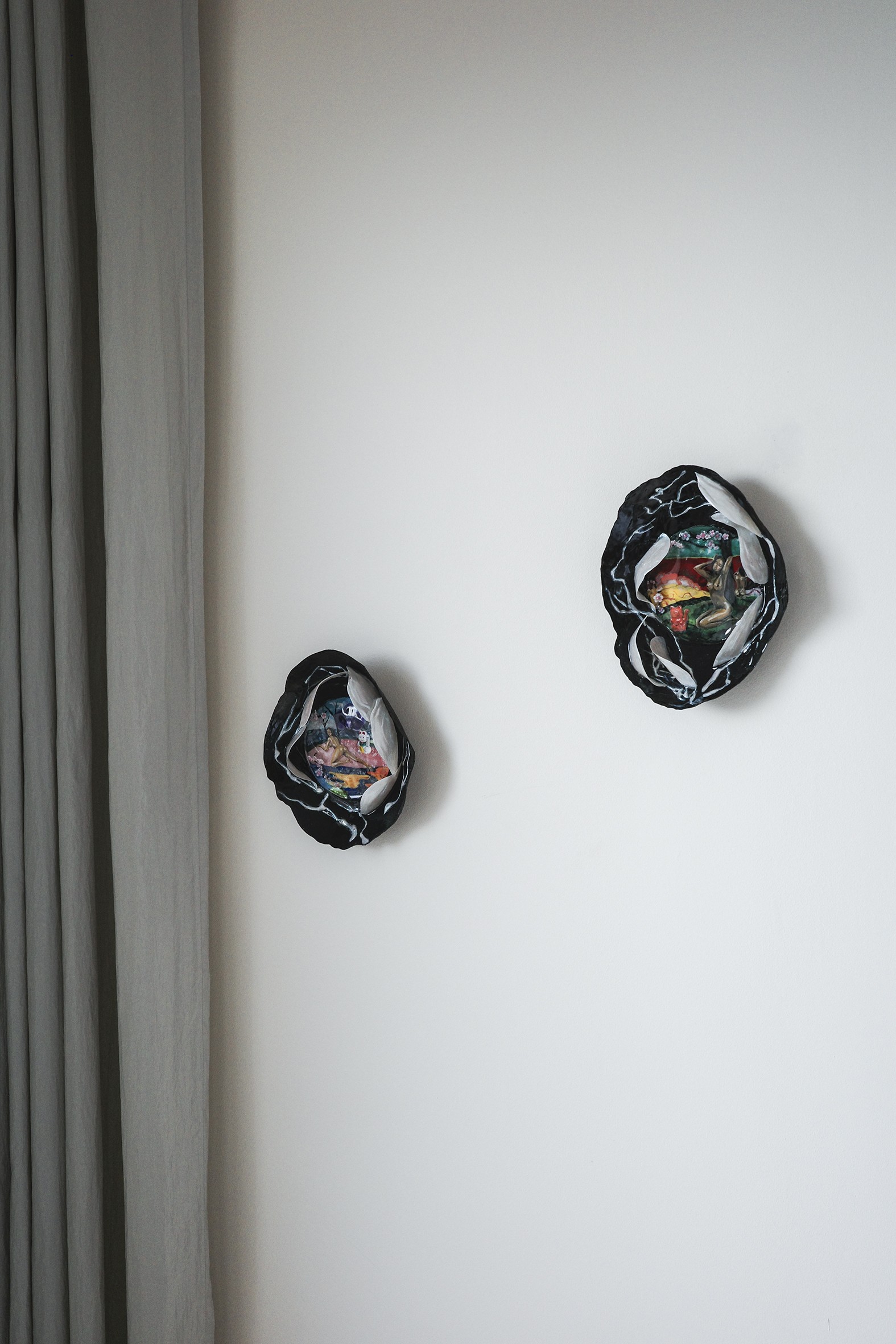
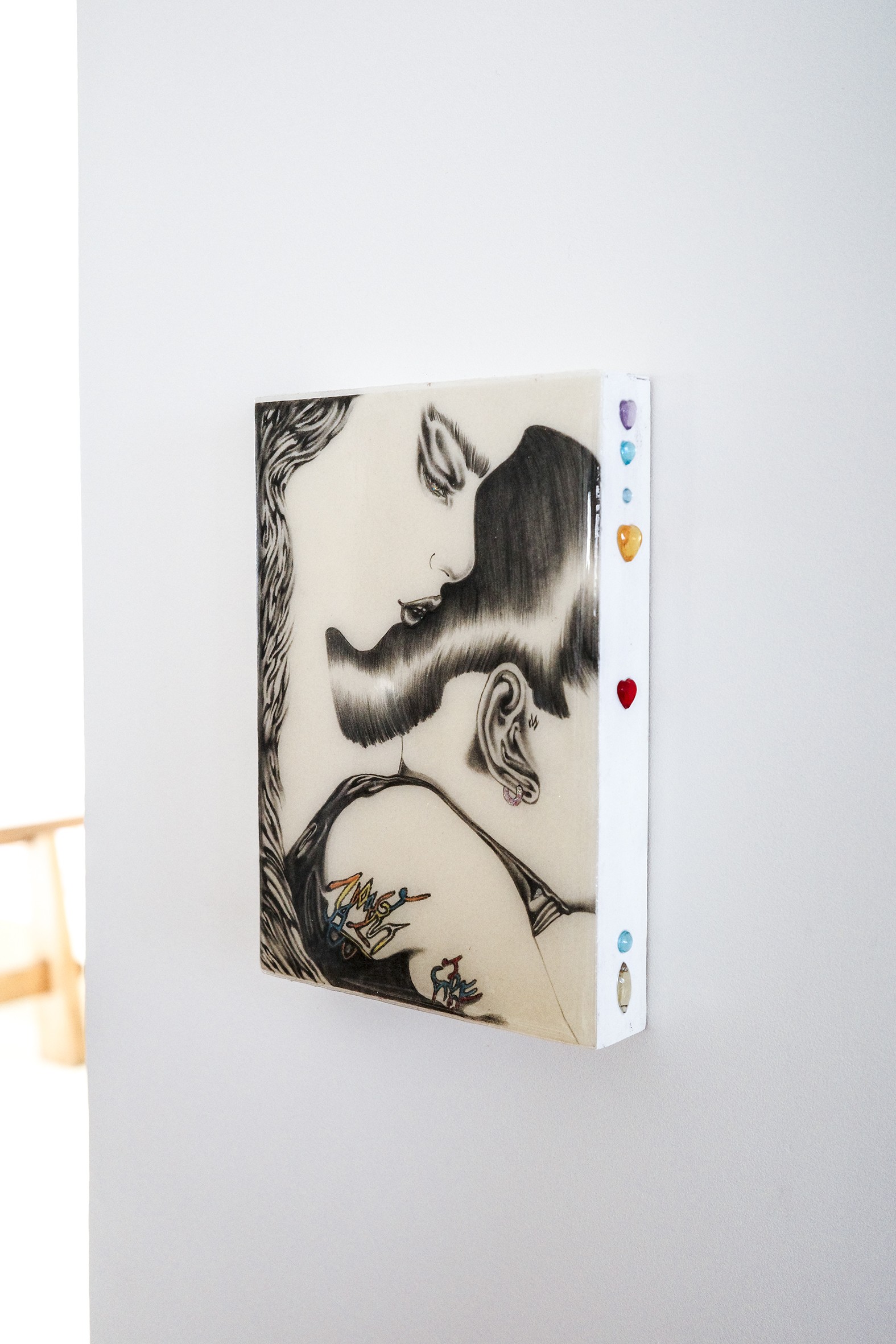
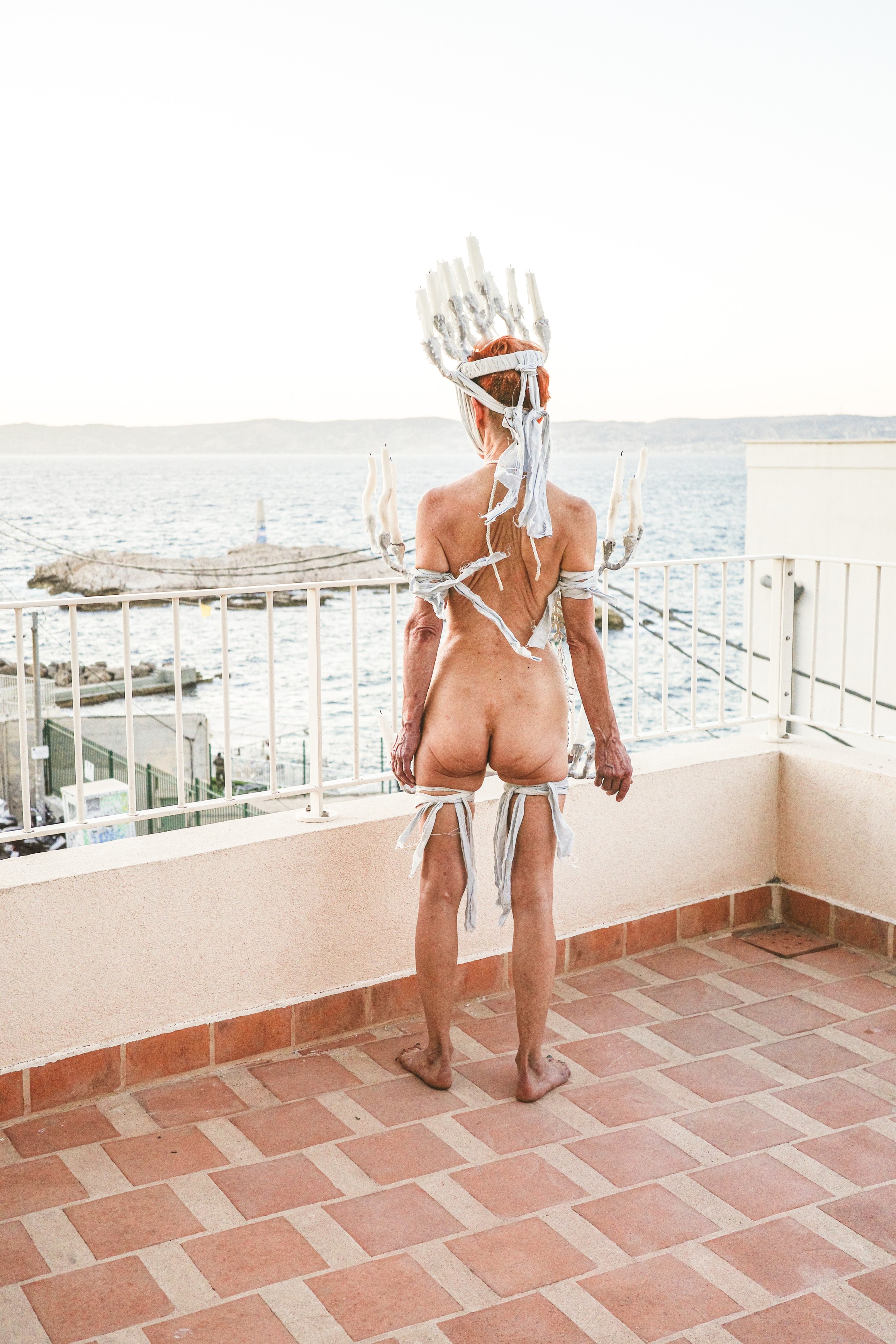
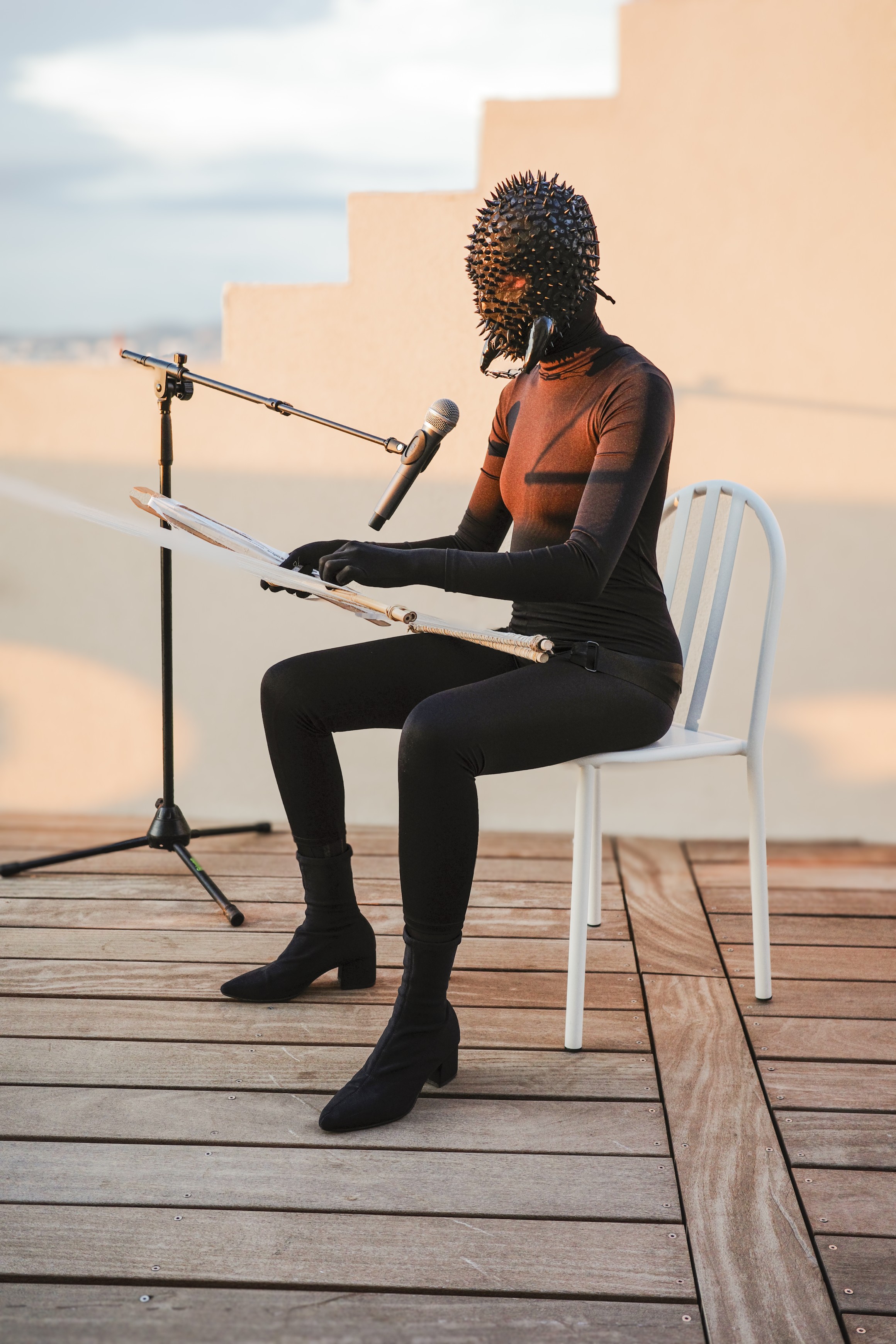
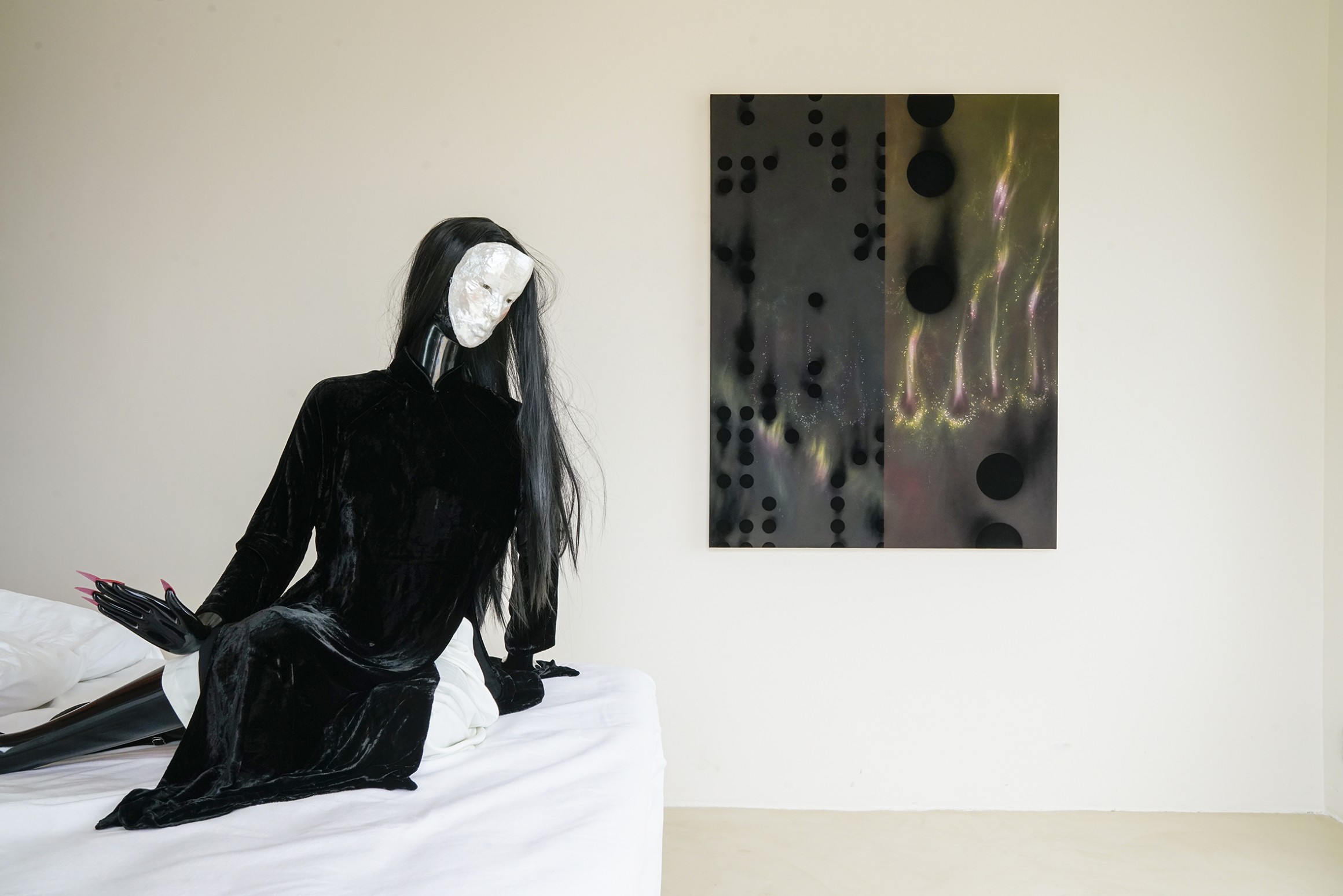
Lisa Signorini’s work stems from an obsessive relationship with drawing, conceived as a ritual or outlet. Also invited for her divination and mediumistic practices, the artist will be reading tarot cards for the exhibition opening. Her pieces are juxtaposed with those of Mathilde Fenoll, imagined as life-size sculptures, scattered throughout different rooms of the house. Her adornments also echo the work of Hoa Dung Clerget in their subversion of the aesthetic codes associated with the representation of the female body. Her sculptures, made from gel polish used in nail salons, reveal various fetishized representations widely conveyed by the Vietnamese diaspora. A spectral figure installed on the floor awaits us upstairs, symbolizing the invisibility of immigrant workers as well as the projections associated with them.
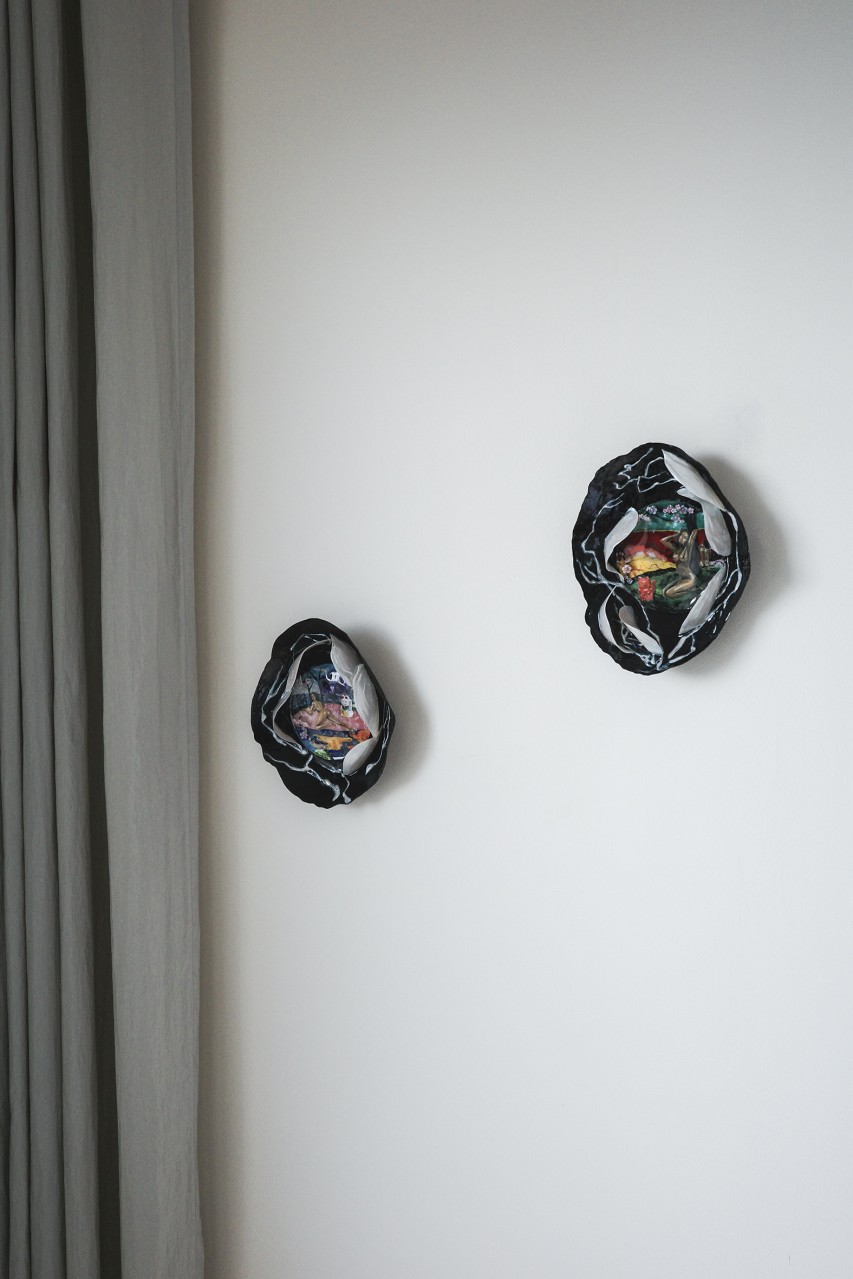
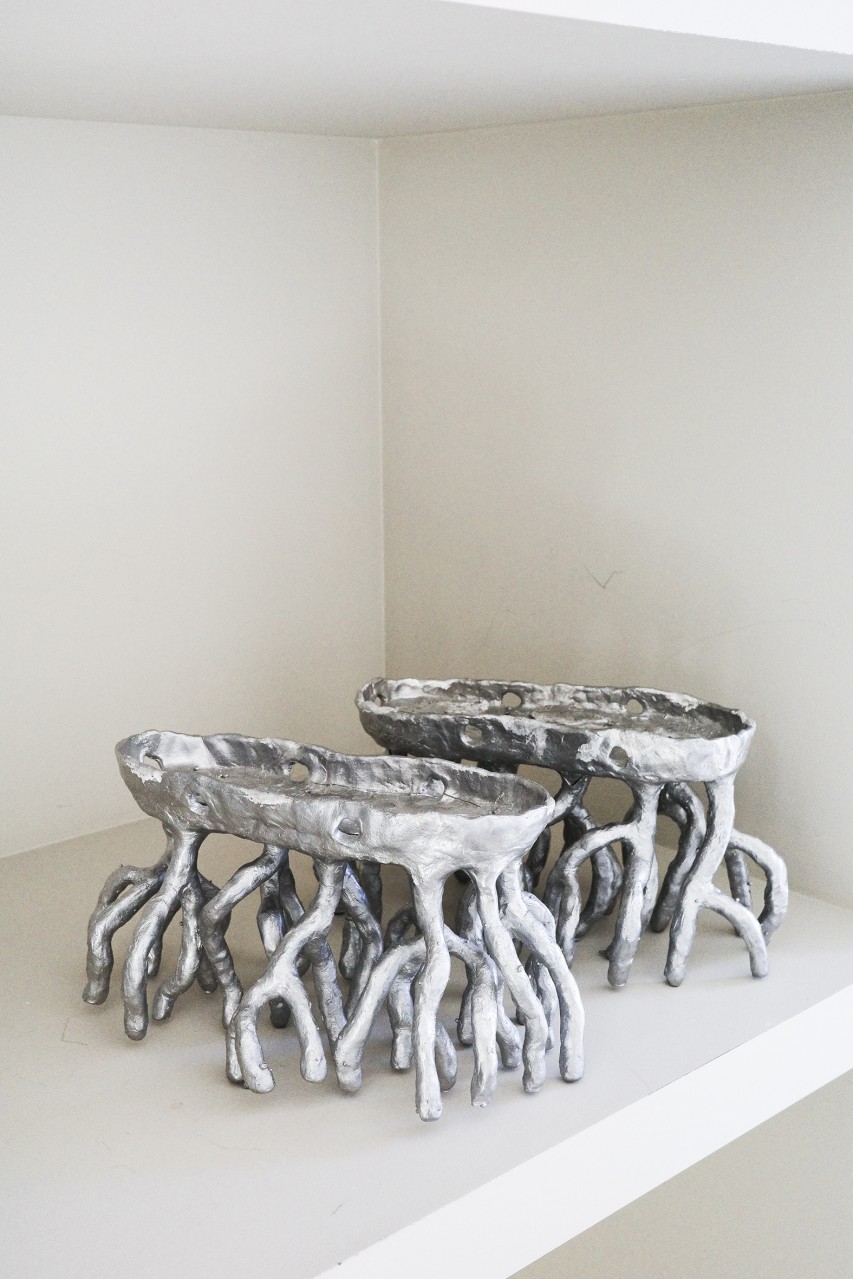
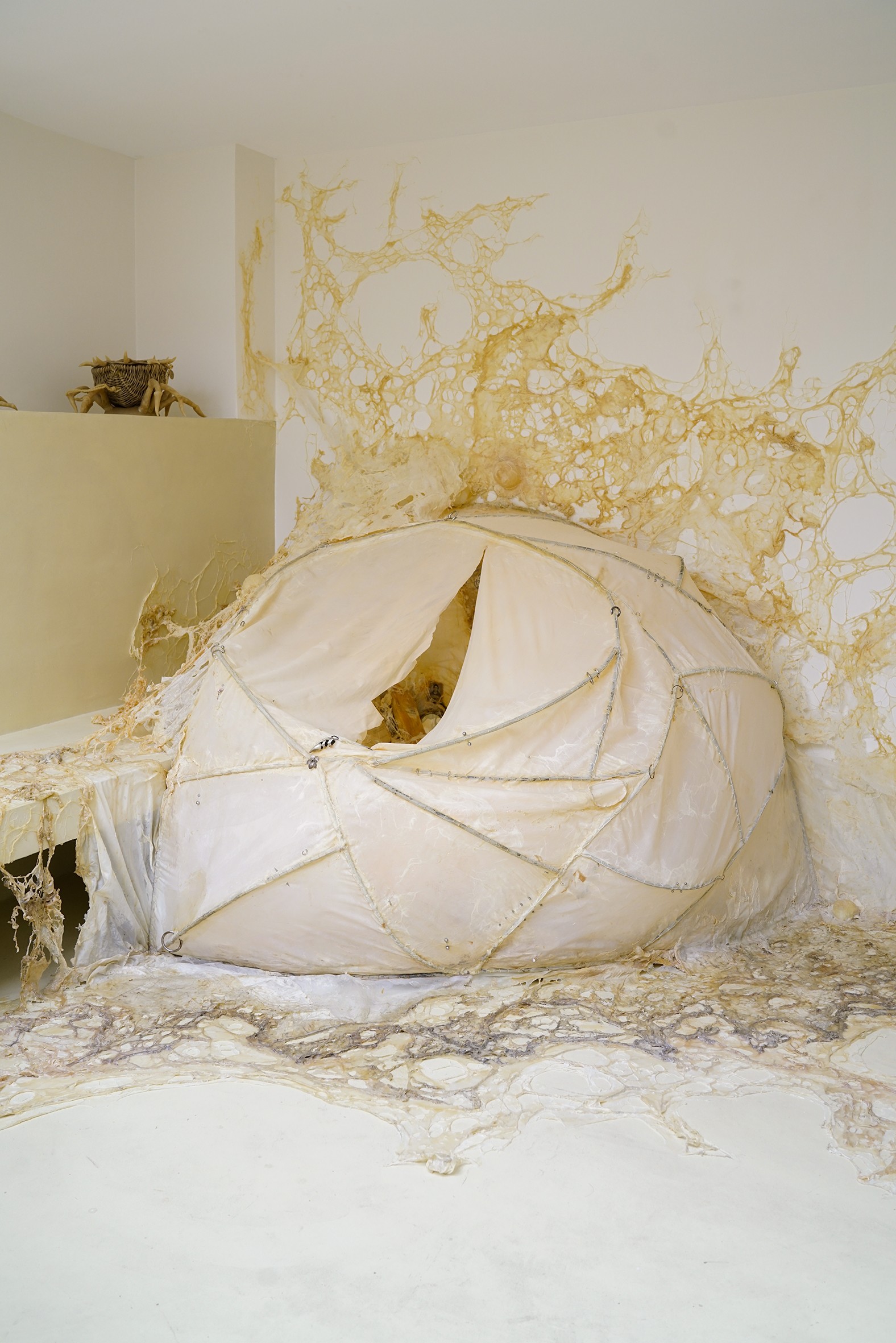
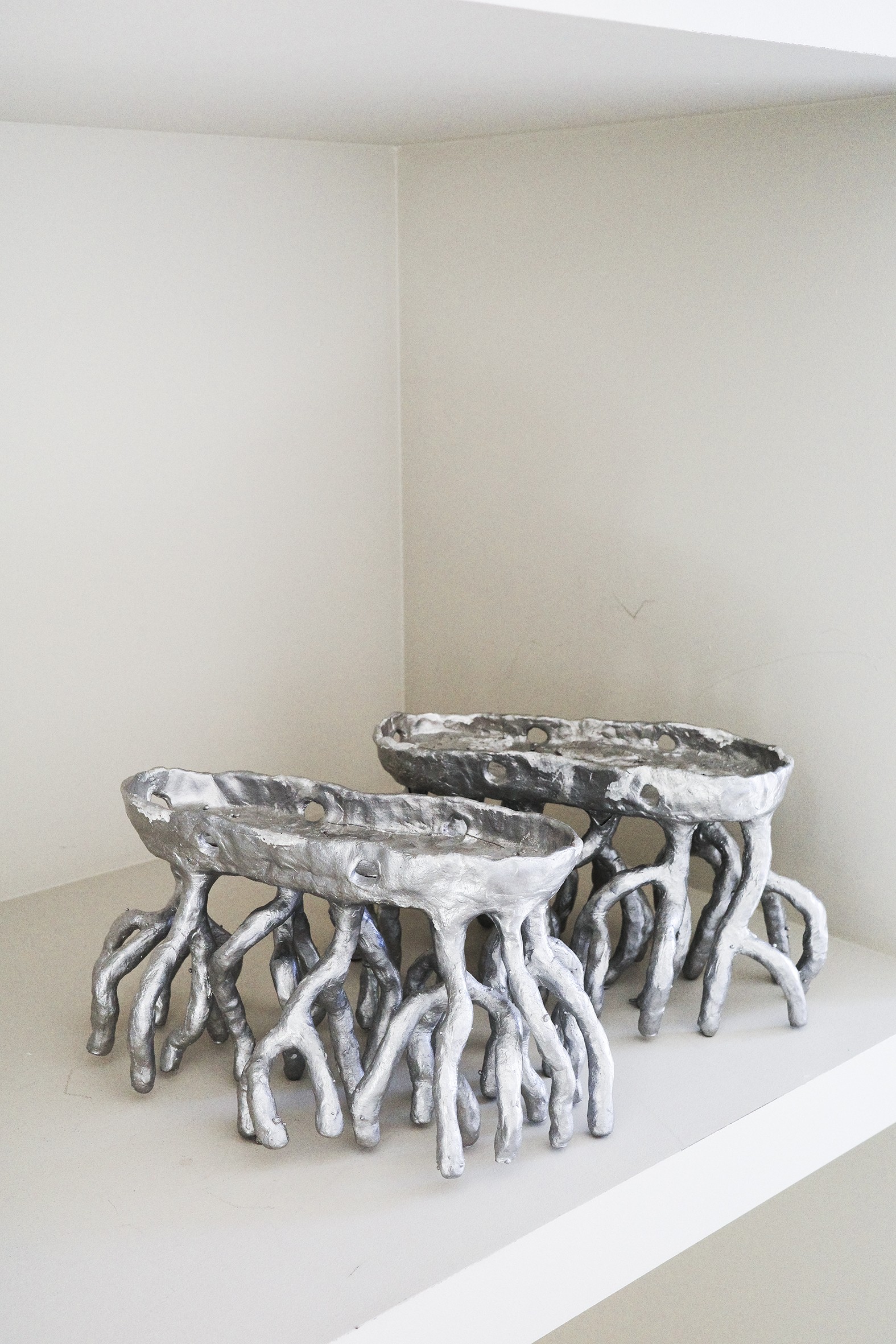
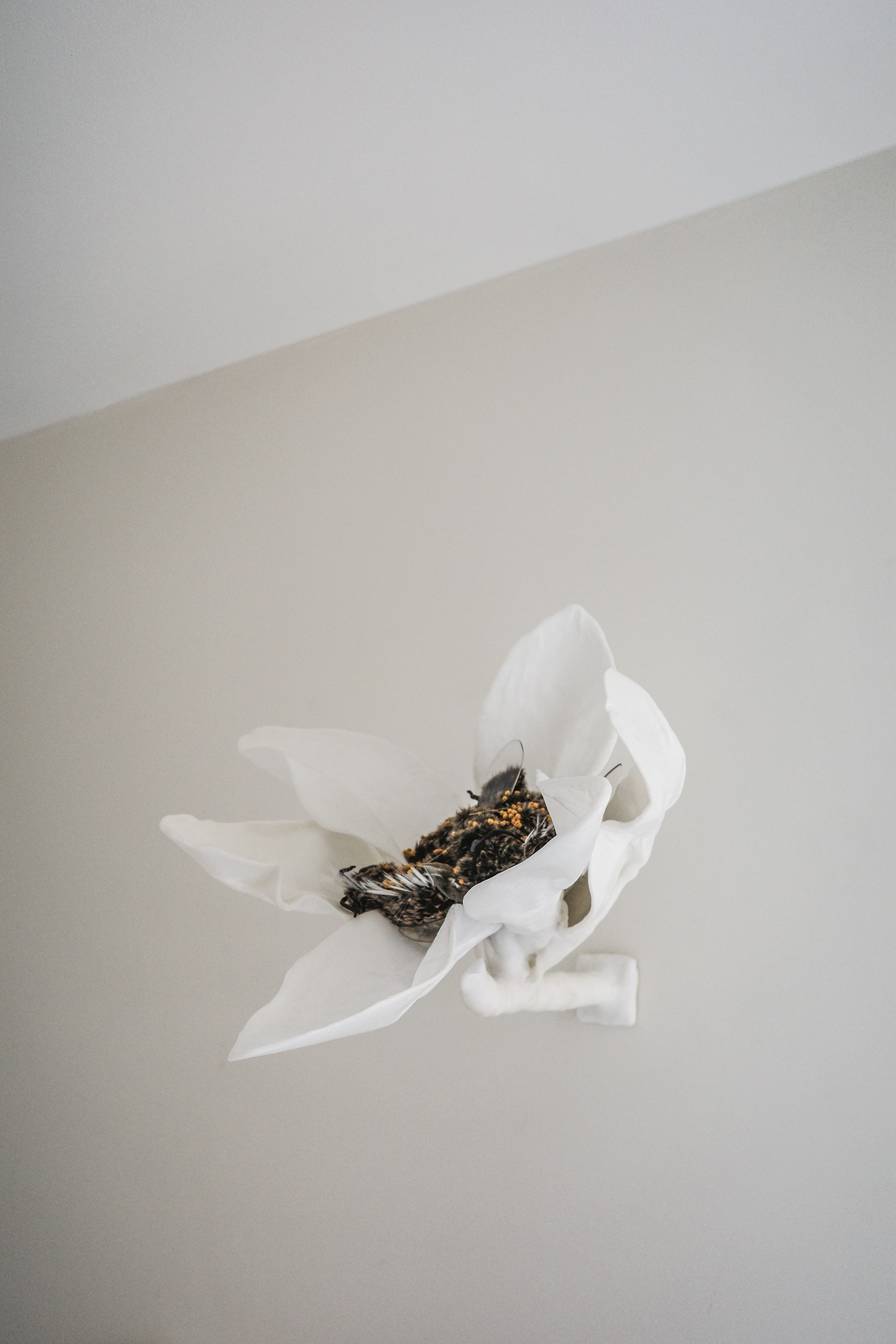
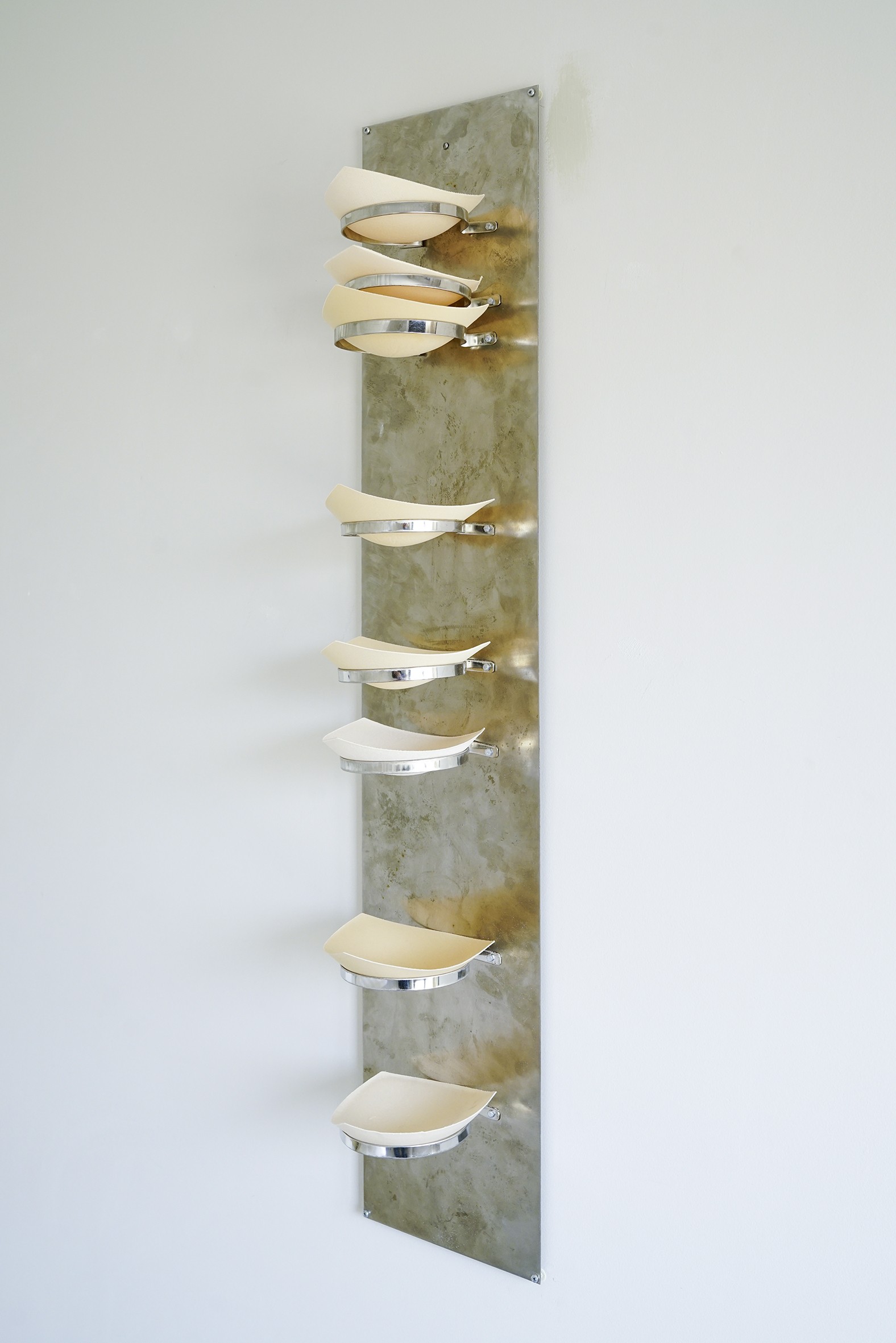
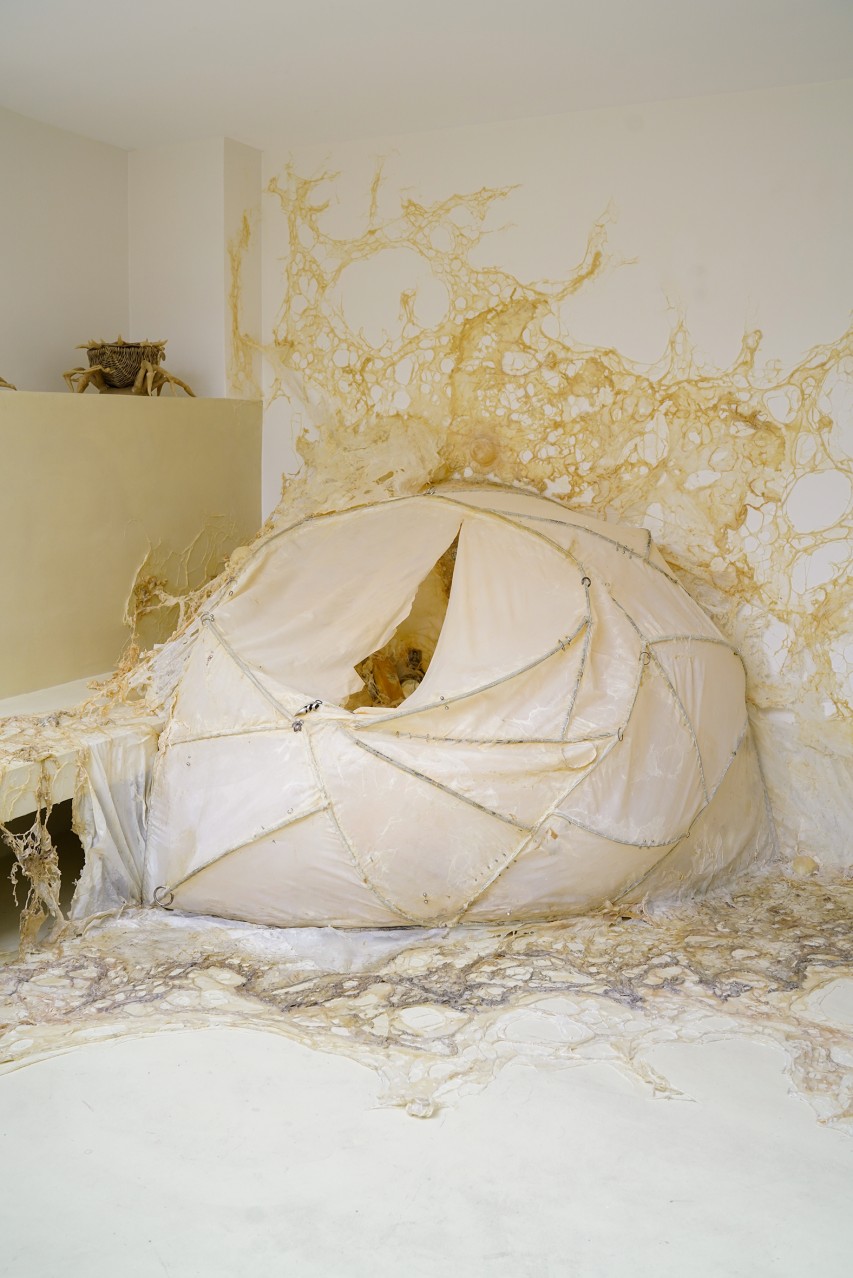
Ambre Charpagne questions our connections to the living and non-living in the context of climate change in a sculpture that mimics various organic elements, provoking a sense of strangeness and affecting our bearings. Natacha Donzé’s paintings depict atmospheric landscapes that also highlight the forces and contingencies of life through the transcription of seemingly natural elements. From sparks to the finest droplets, the artist composes mystical environments that evoke scientific and digital imagery in turn.
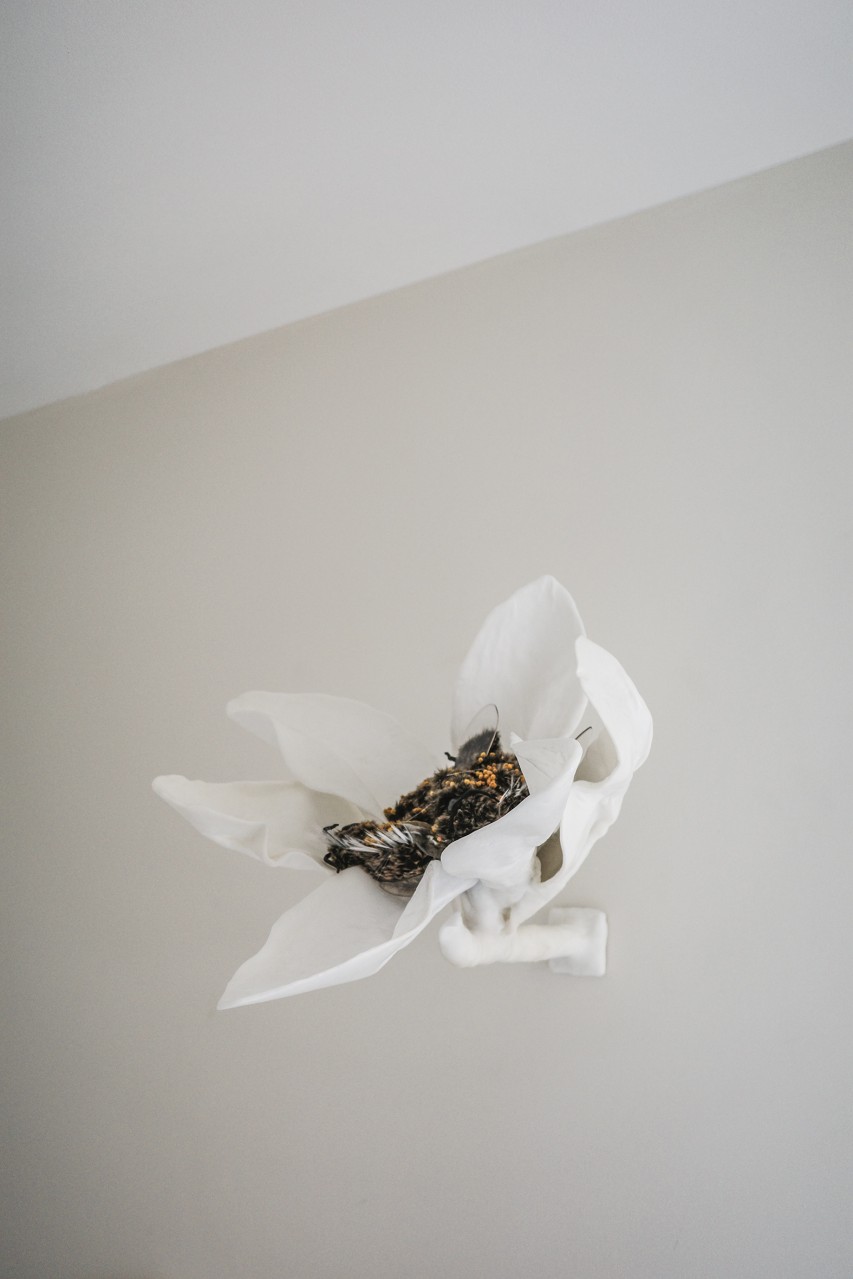
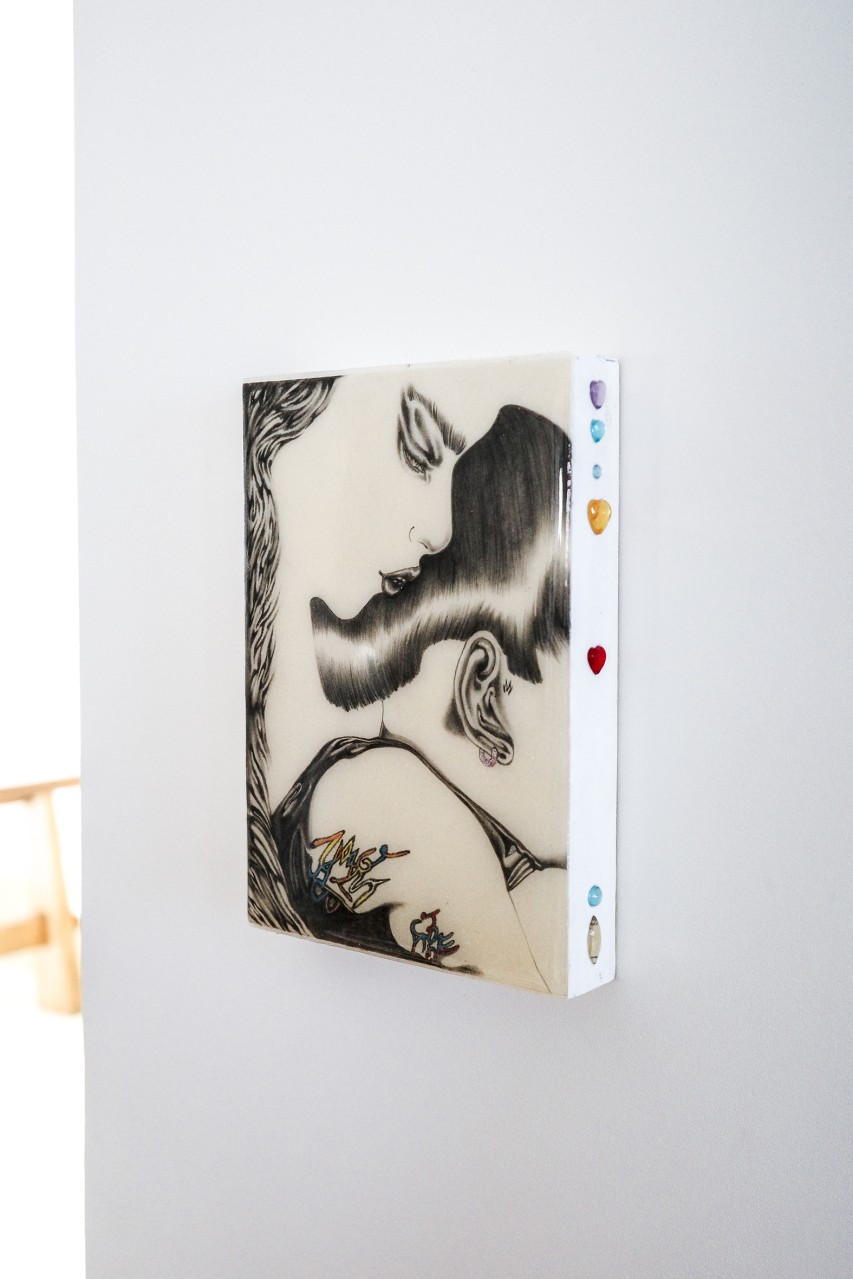
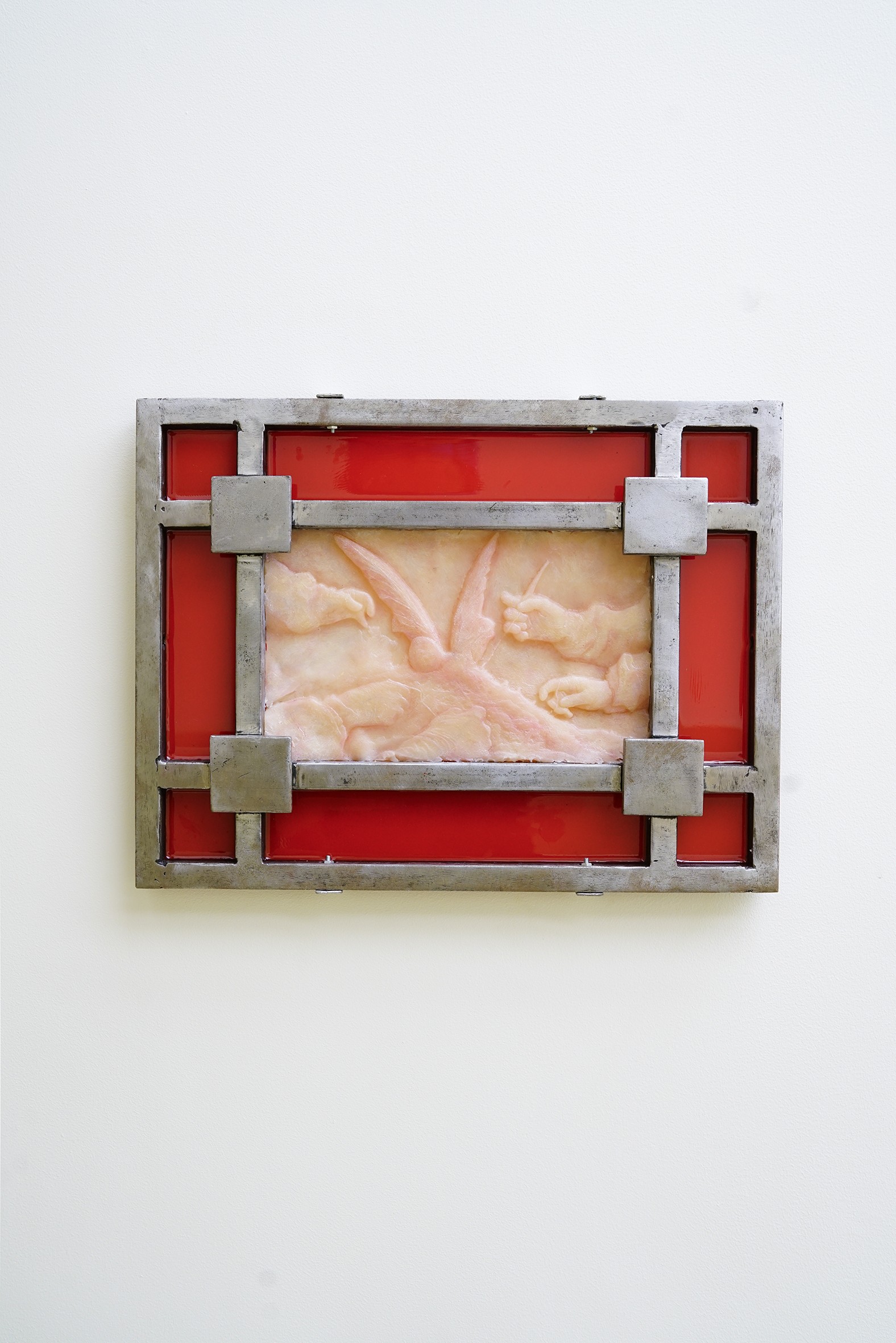
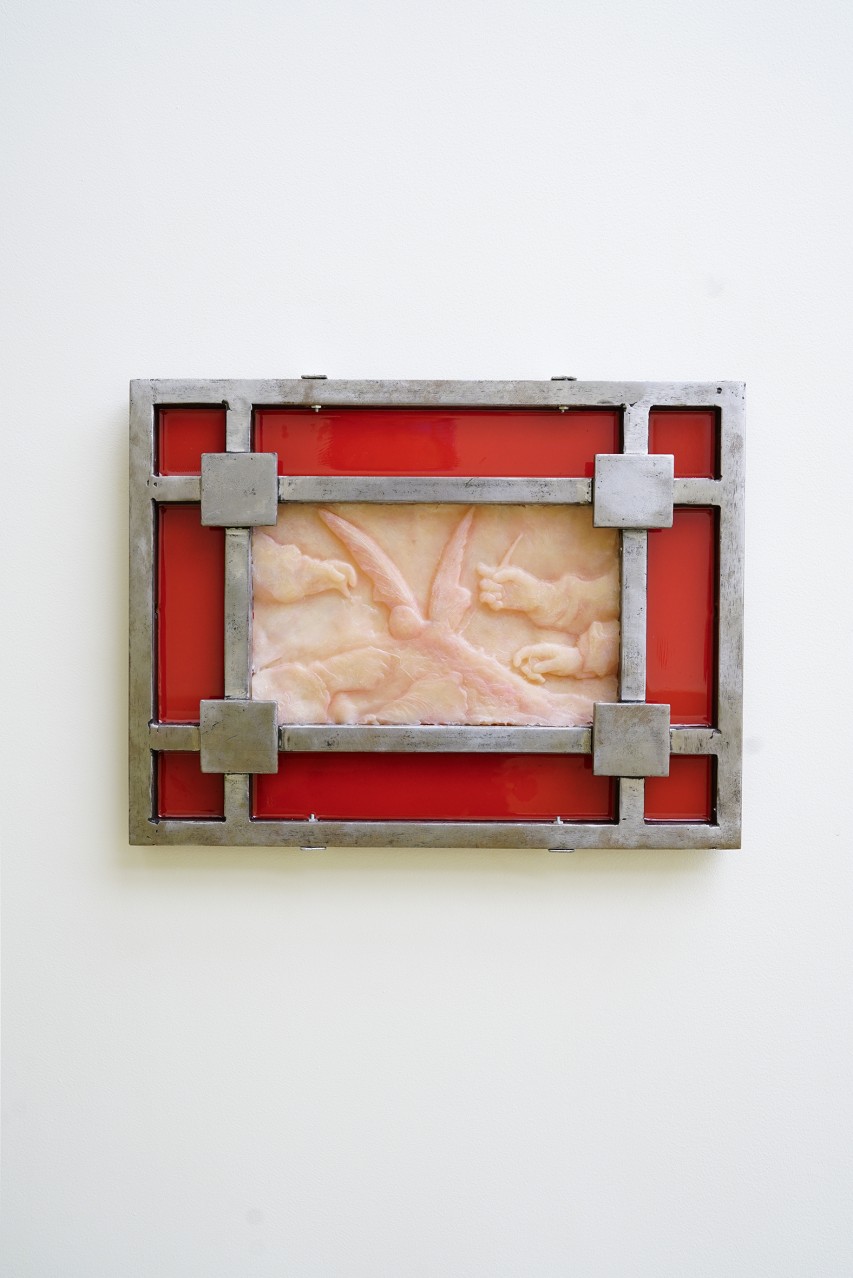
Elvire Ménétrier’s latex bas-reliefs suggest the texture of flesh and the materials used in surgical engineering. Depicting an uncertain future, the first shows the dissection of a fairy and the second a homogenization of thought in front of screens, with the feeling that we are all actually asleep. The use of science fiction is also present in the collaborative project by Eden Tinto Collins and Charlotte Yonga, whose images are taken from a speculative photo novel narrating the encounter between a shaman and a digital icon named Jane Dark. This piece is extended by a video by Eden Tinto Collins offering a series of mantras found on digital interfaces, conceived as magical formulas with a premonitory dimension.
The exhibition is conceived as a disenchanted universe in which artists-magicians attempt to create various simulacra to magnify reality, give us access to imperceptible worlds, and leave room for chance, drift, and the occult. Extending Starhawk’s thinking in the book Dreaming the Dark, magic is seen here as a form of resistance, a spiritual commitment, an amplified way of reading the world.
Camille Velluet