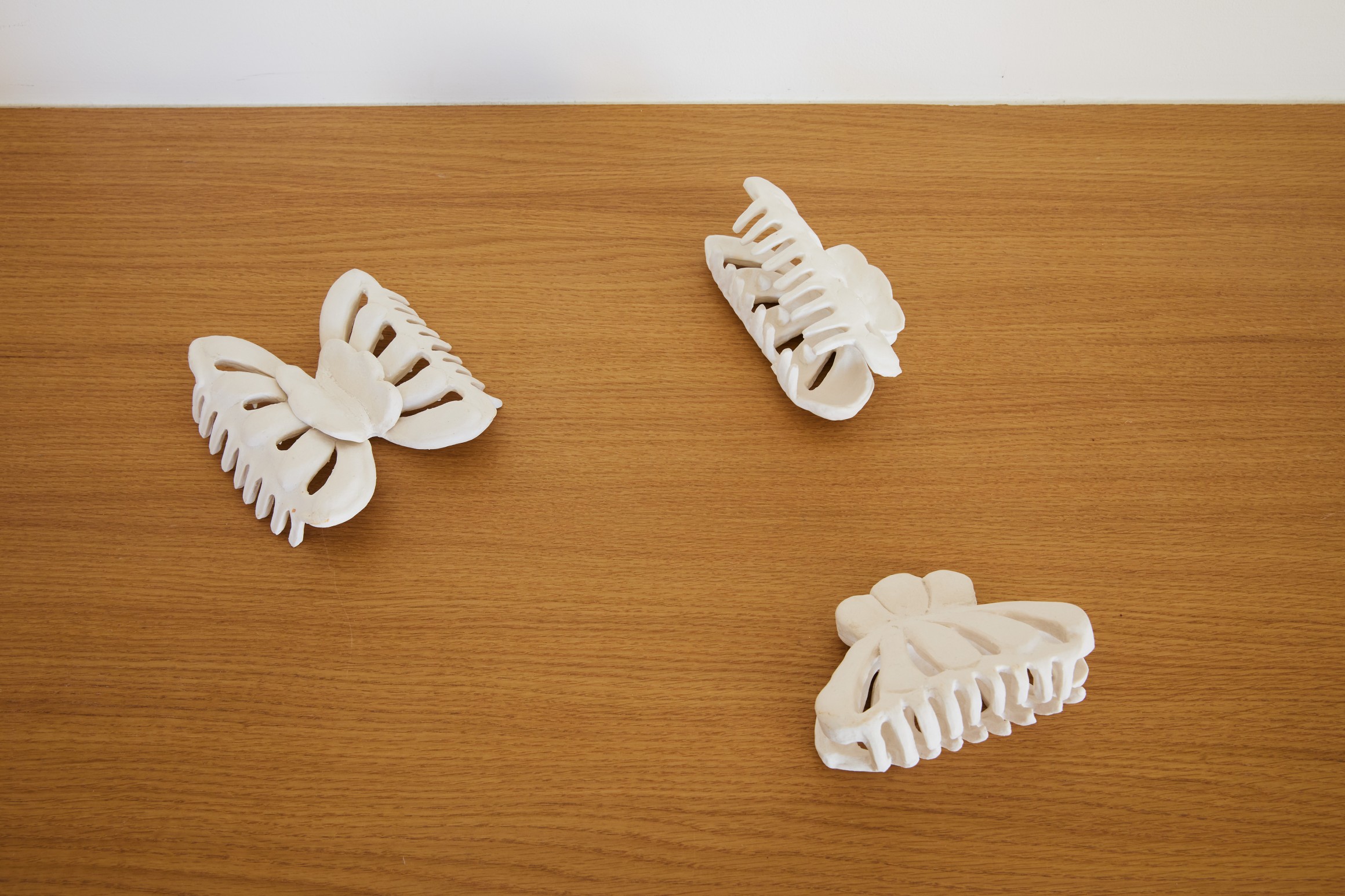
- Kévin Bray (Collaboratif)
- Soukaina Joual (Collaboratif)
- Gaby Sahhar
- Marilou Poncin (Collaboratif)
- Jack Warne
- Nina Boughamin
- Olivia Stora
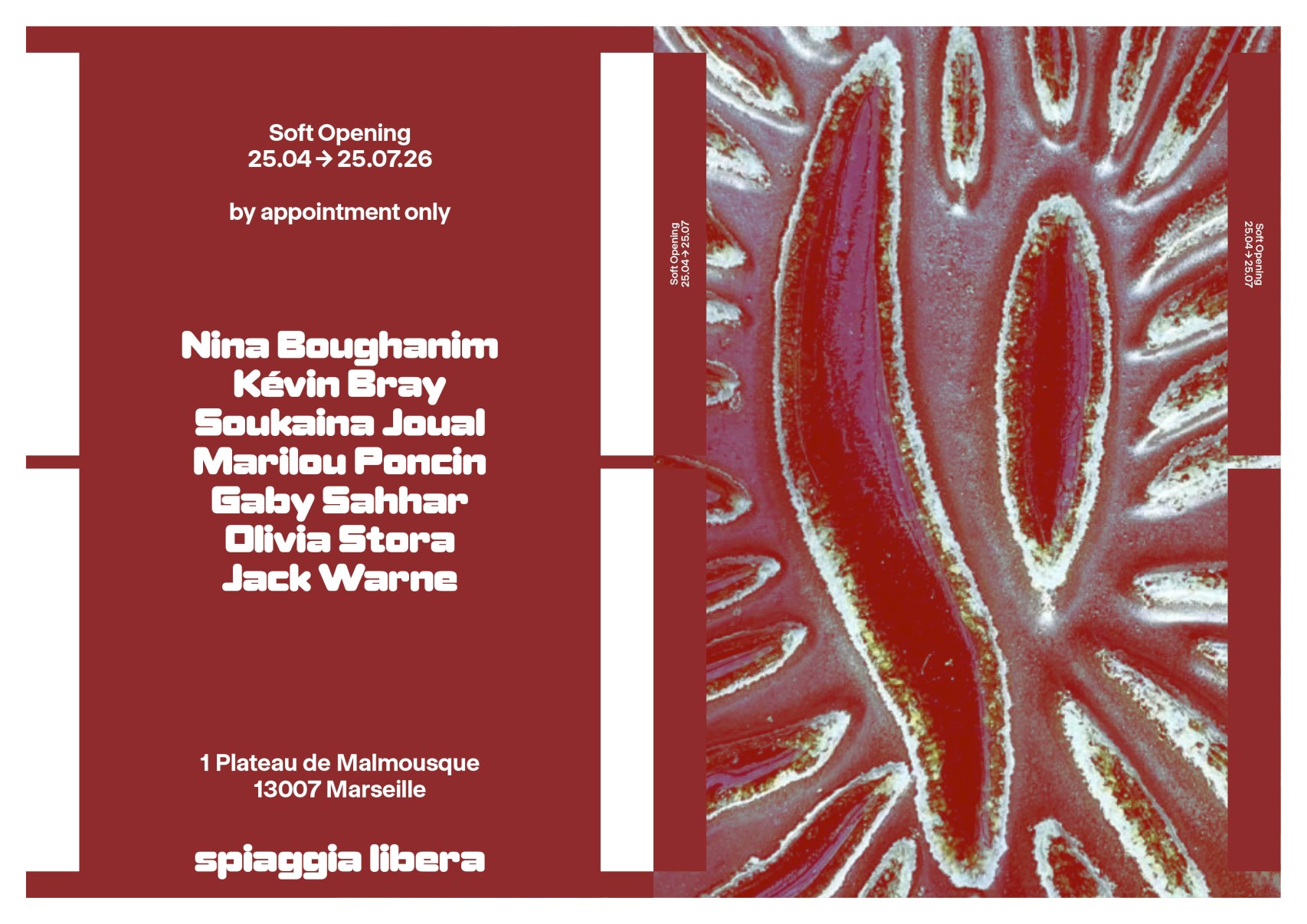
Soft Opening
After several months of pause, the gallery reopens with “Soft Opening” — an exhibition conceived as a gradual restart.
No overarching theme, no fixed narrative: a constellation of artists who have shaped the gallery alongside new contributions. Enter through practices, move between works, let connections unfold. A series of artist-focused encounters will activate the exhibition over time. A way to begin again.
Each of the works presented can be seen as a fragment of an exhibition previously realized with the gallery, whether in its former Paris space, during its early projects in Marseille, or in off-site contexts. Together, they retrace, each in their own way, part of the history of Spiaggia Libera, intimately tied to that of the artists featured in this exhibition.
Nina Boughanim
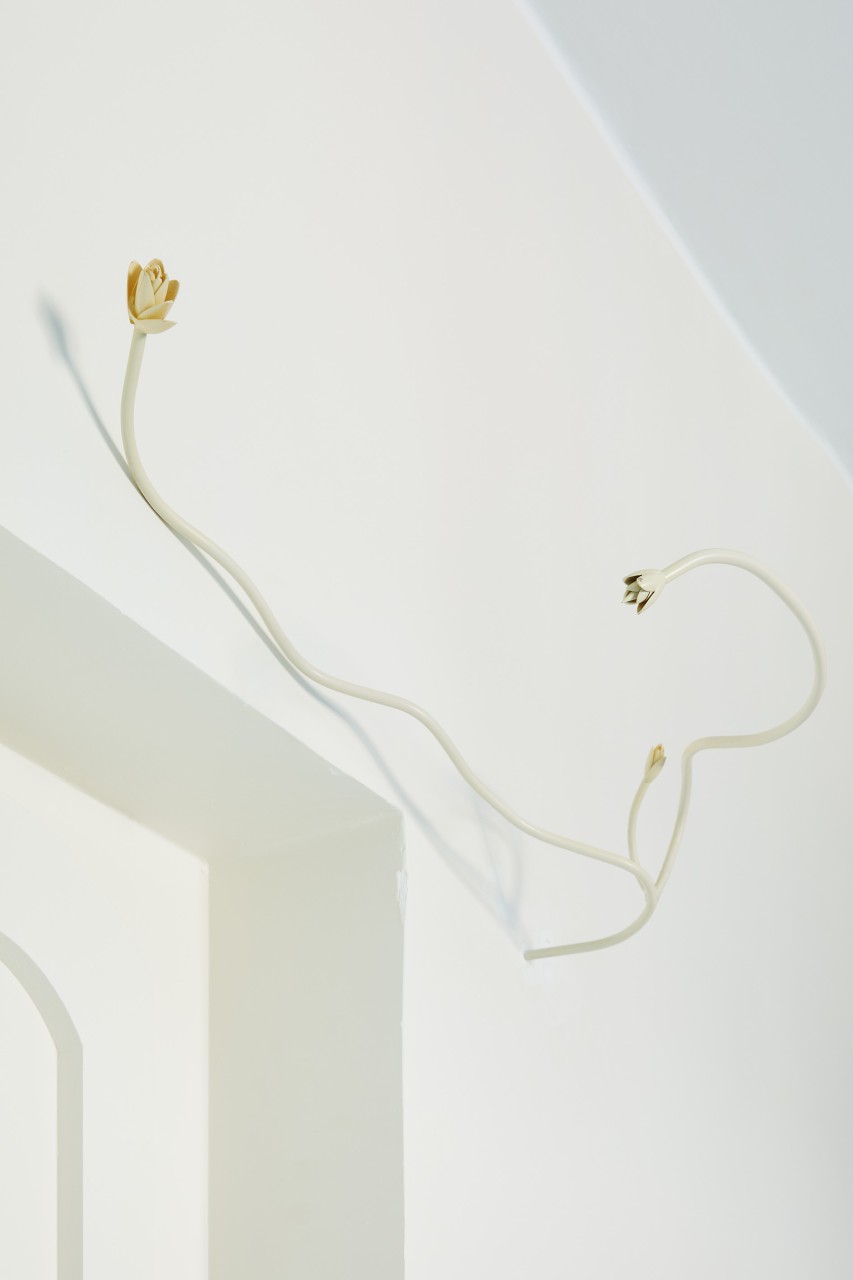
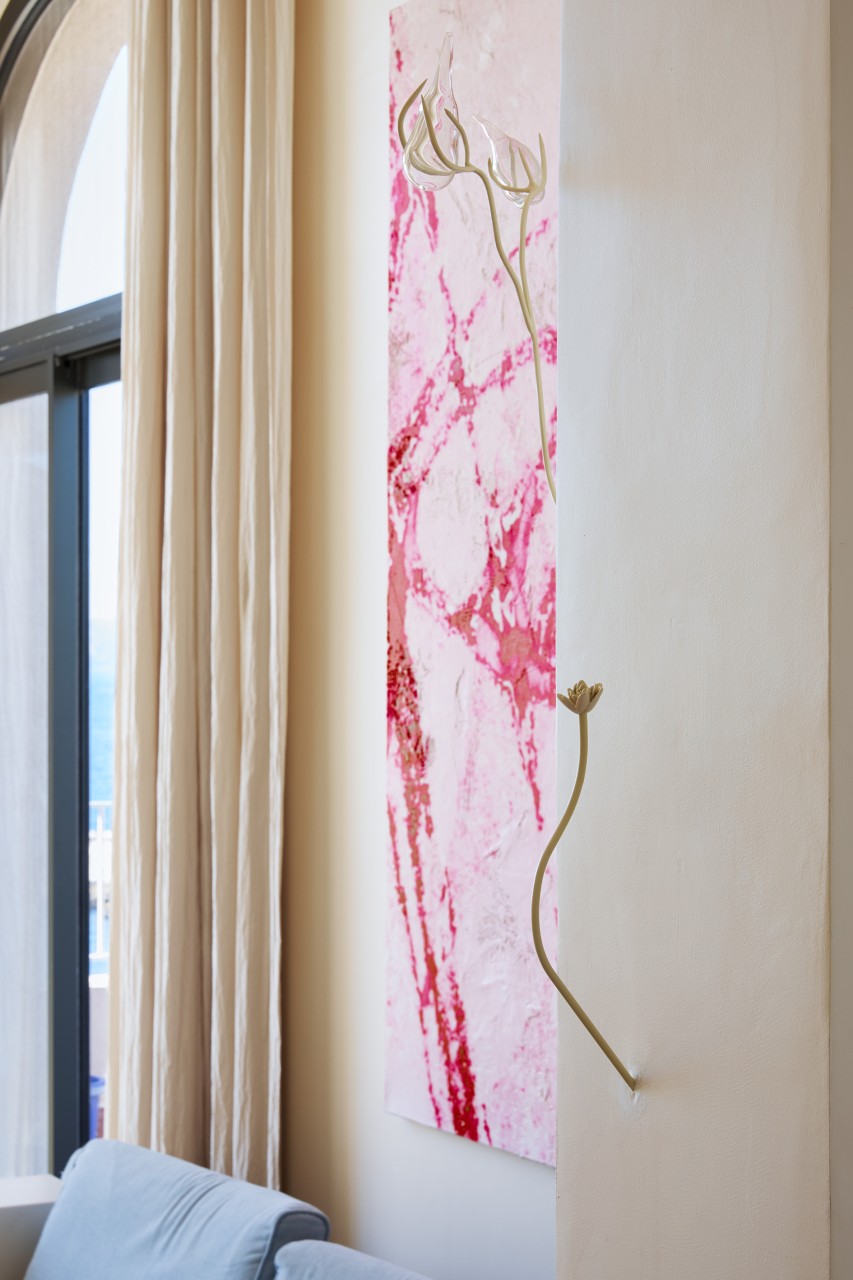
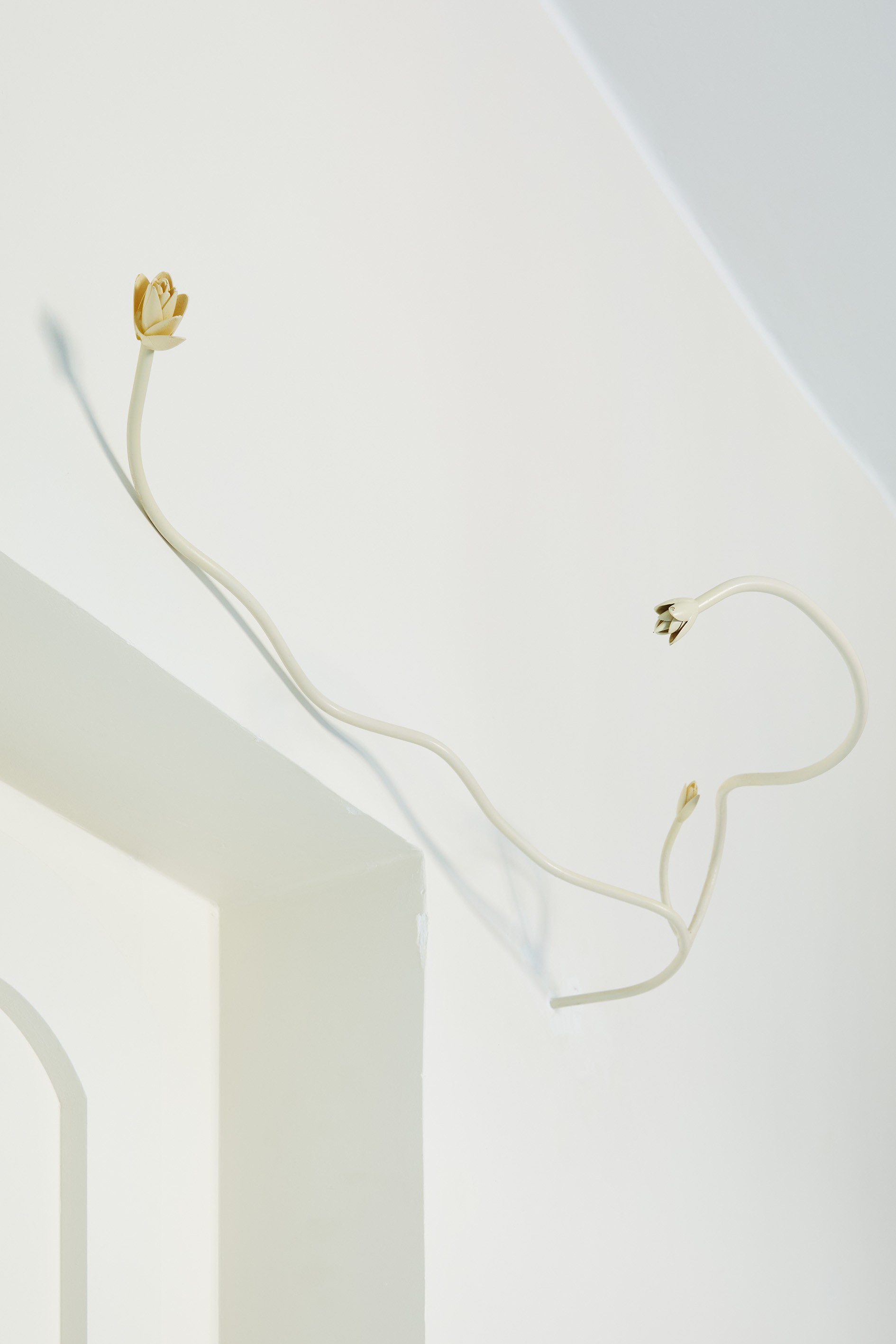
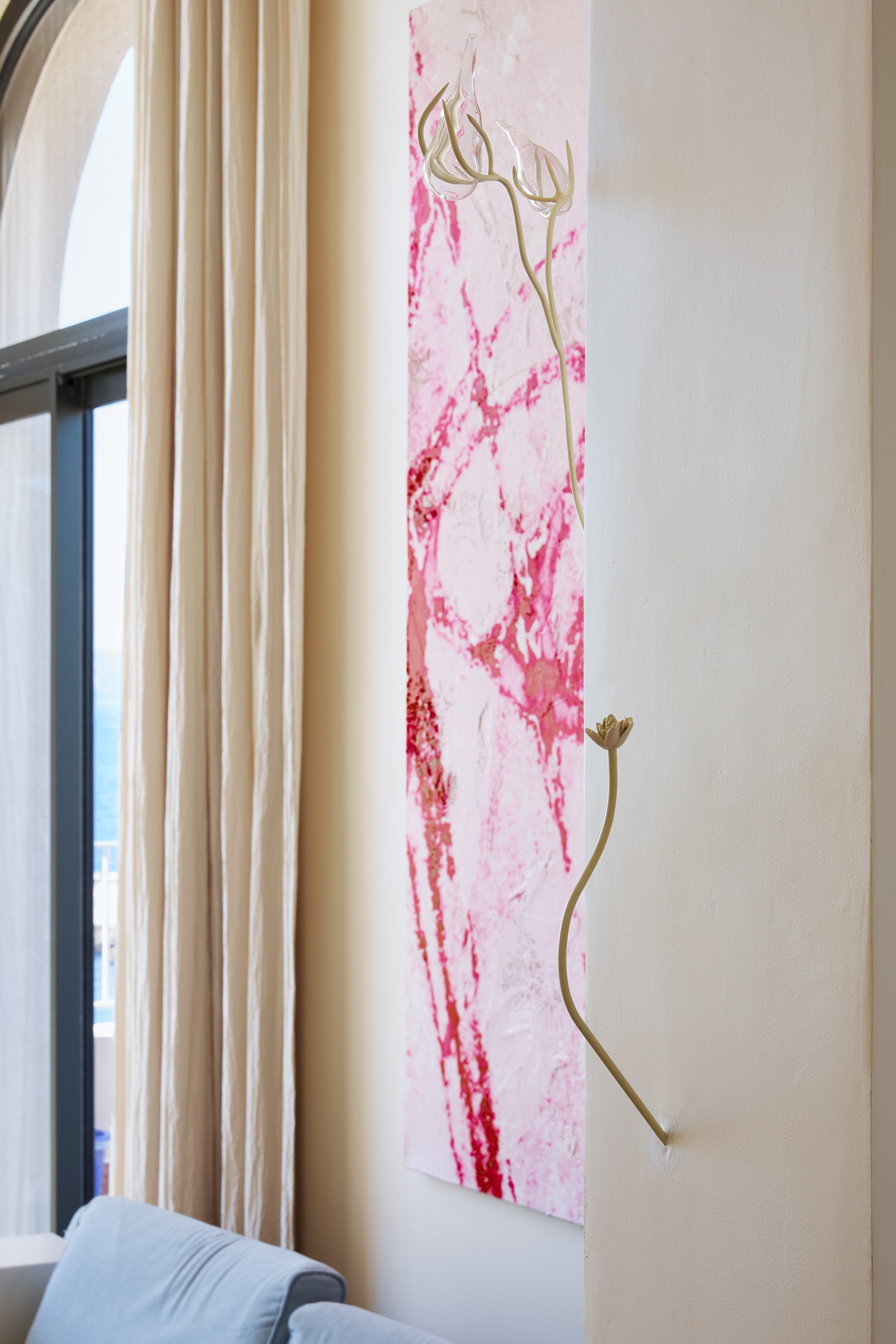
A first iteration of Belles plantes is currently presented as part of the exhibition “The Salt of the Earth” in Bulgaria. In this work, the artist unfolds a series of roses whose petals are made of artificial nails, ambiguously evoking both women’s capacity for self-defense and their lush, sensual qualities—further reinforced by the title, drawn from a stereotypical expression.
Kévin Bray
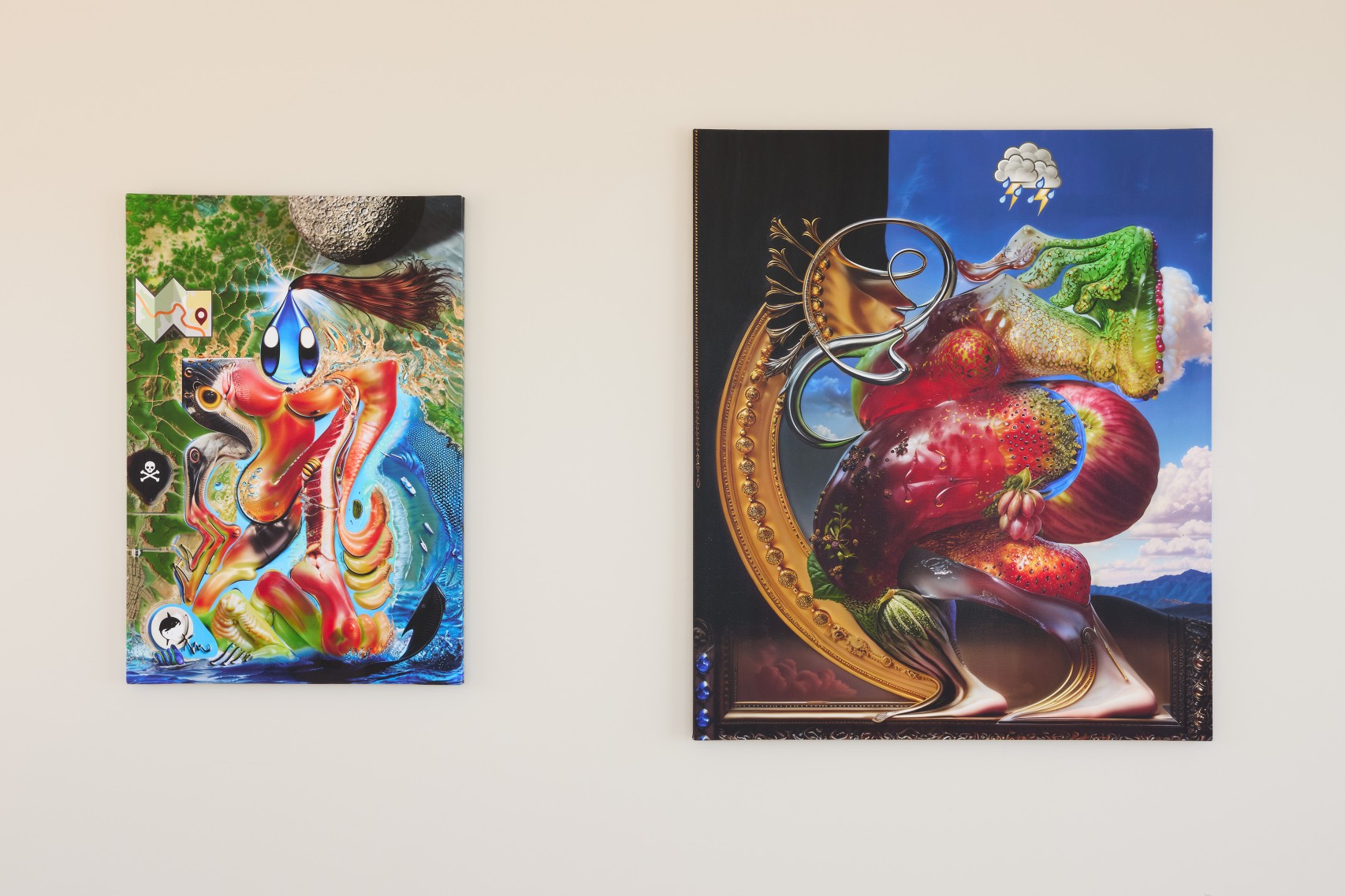
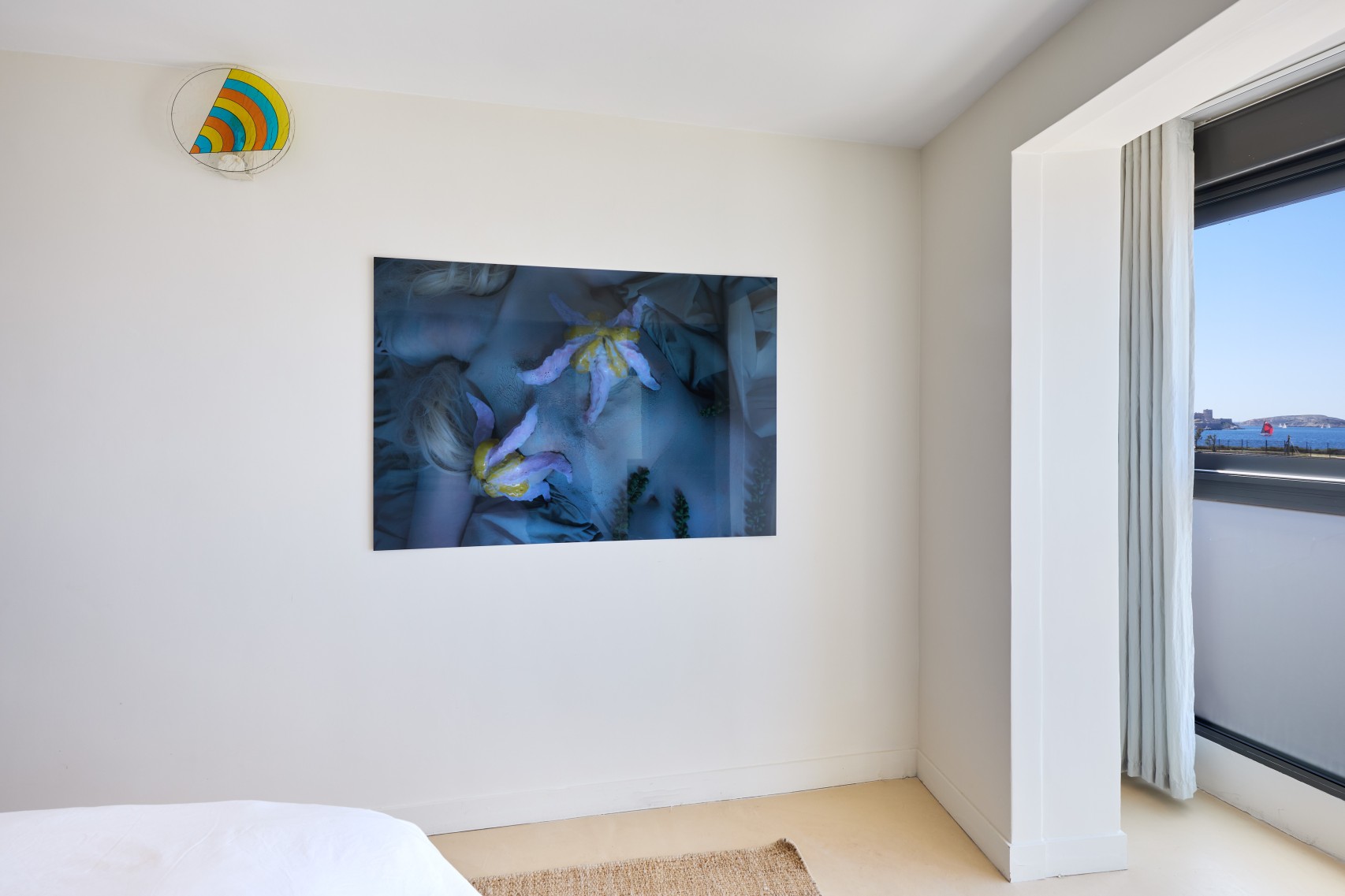
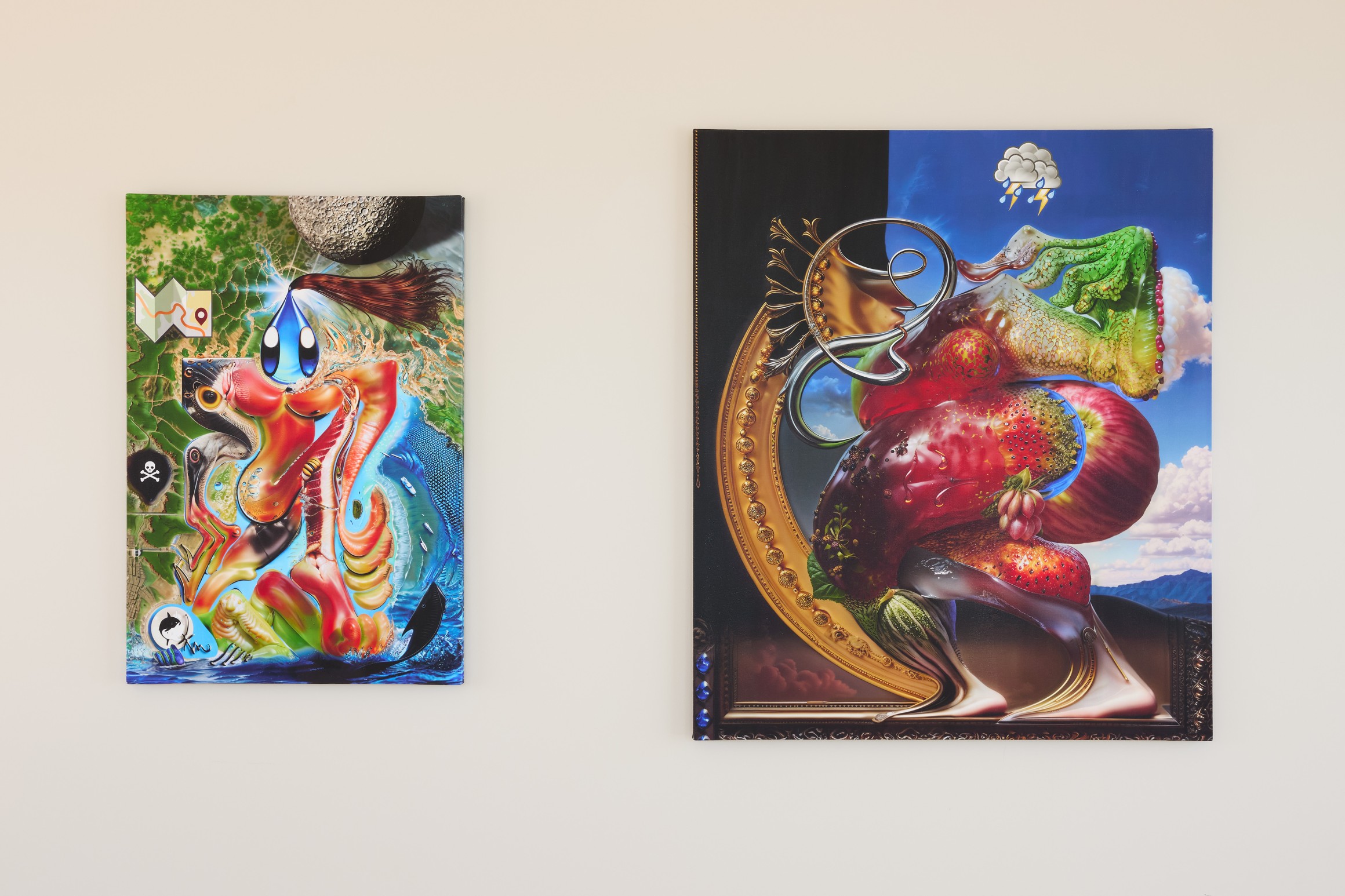
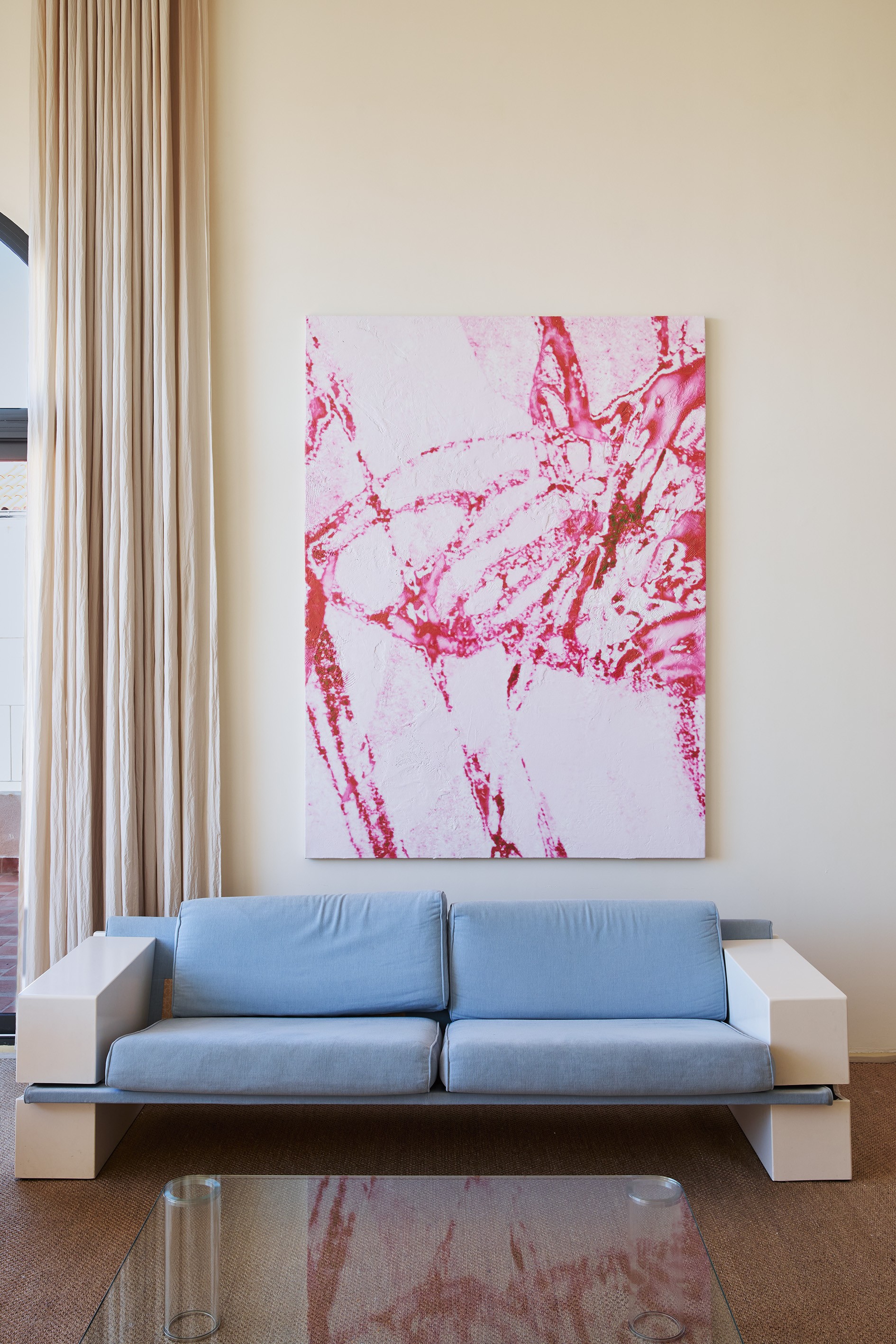
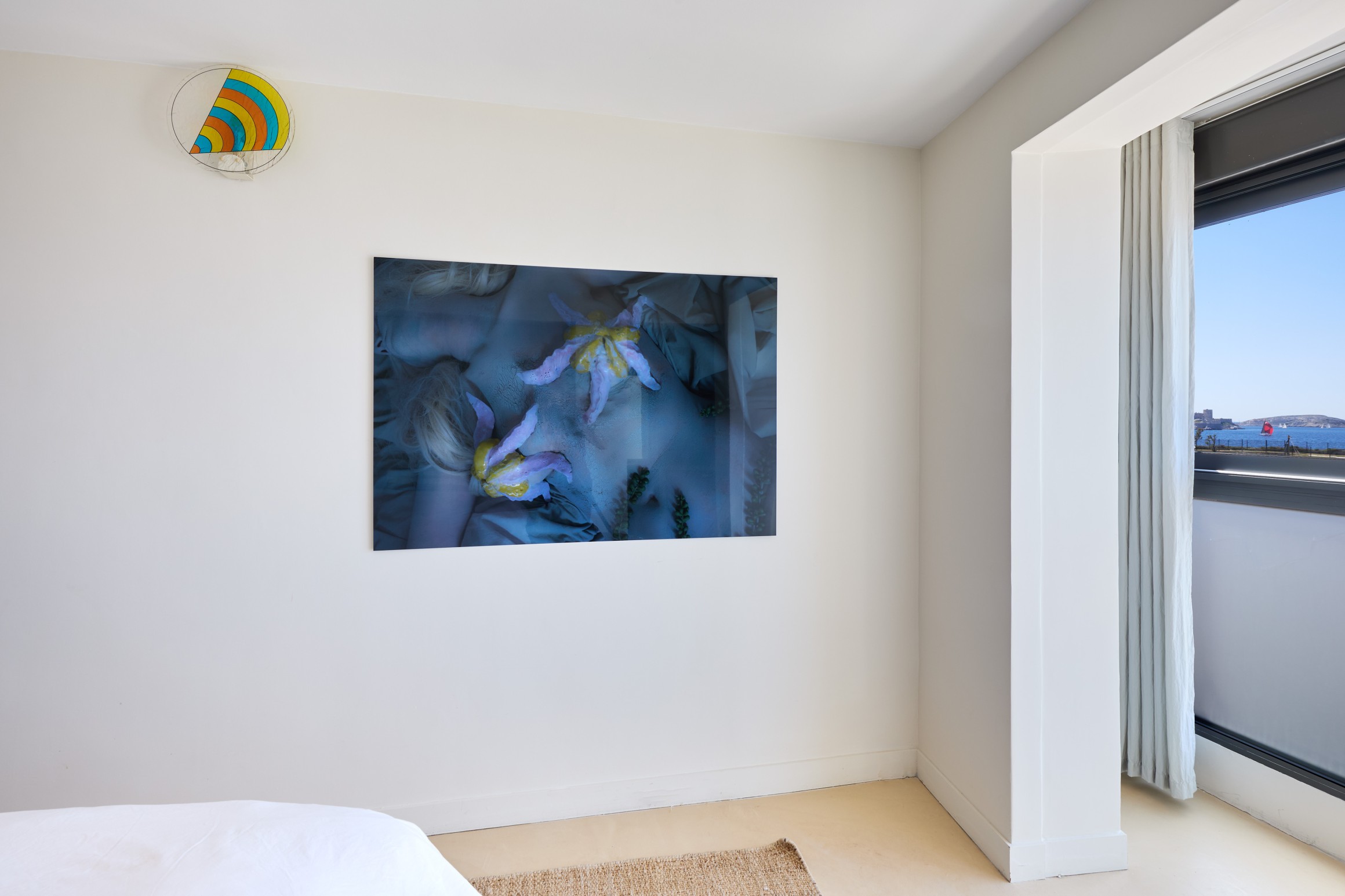
Kévin Bray’s work unfolds a hybrid universe where body, landscape, and object merge into saturated, unstable compositions. His images draw equally from Surrealism and contemporary digital imagery, combining organic textures, anatomical fragments, and cultural symbols. The tension between nature and artificiality manifests in these mutating forms, oscillating between visual seduction and unsettling strangeness. Each painting functions as a fragmented ecosystem through which various flows circulate—liquid, energetic, or informational—suggesting a world in constant transformation. This series was presented during the artist’s first solo exhibition at the gallery in 2023.
Soukaina Joual
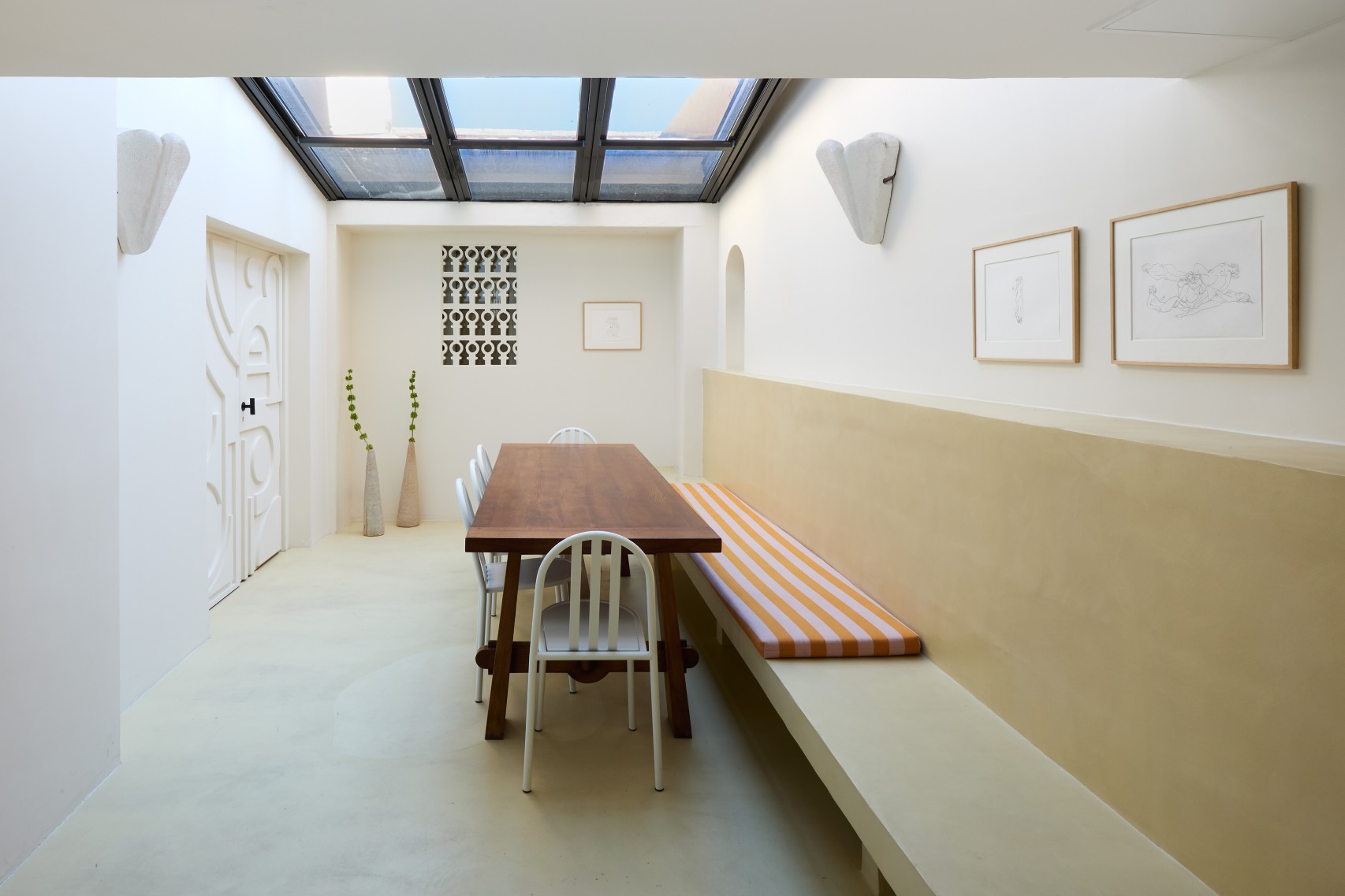
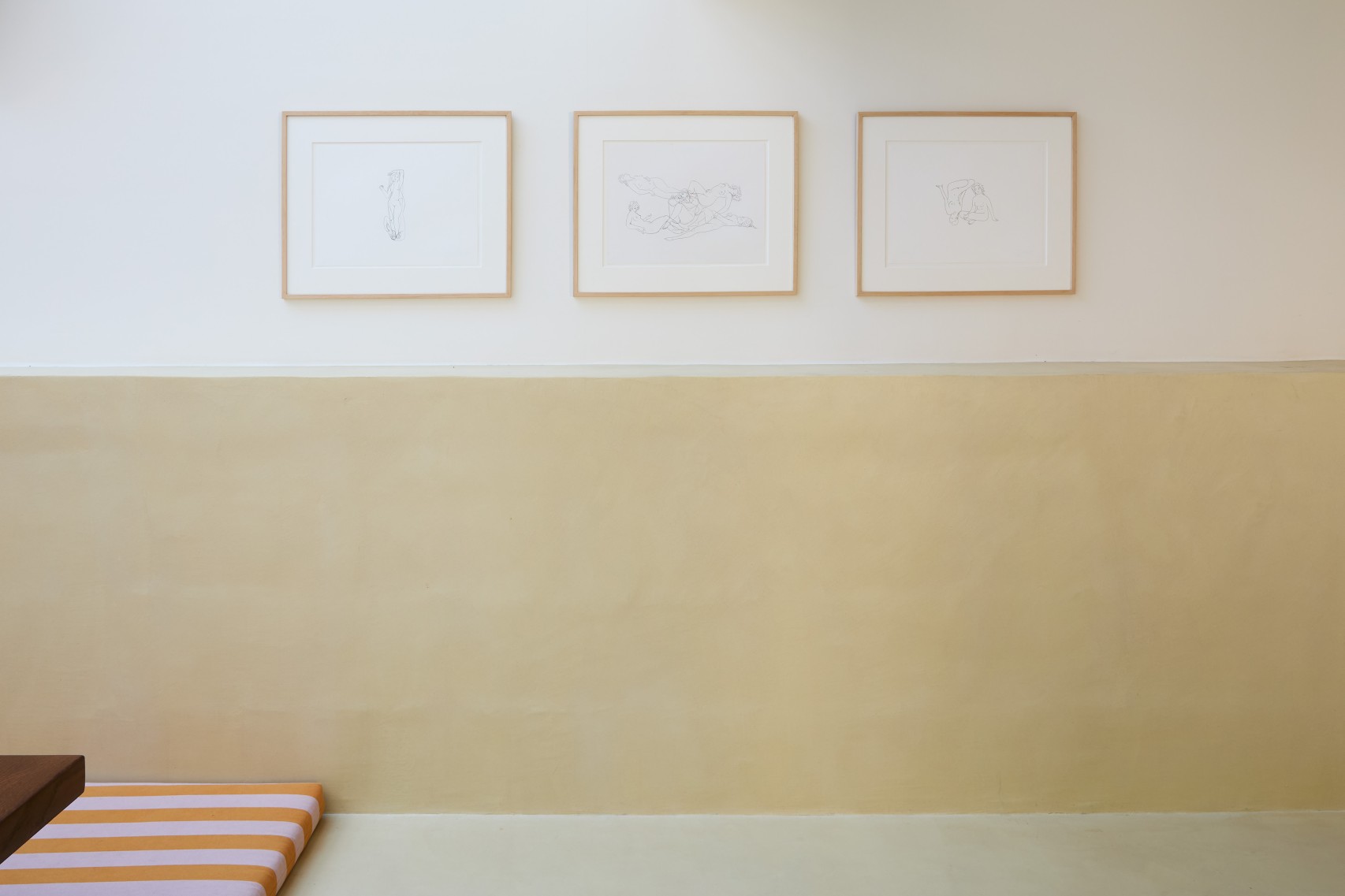
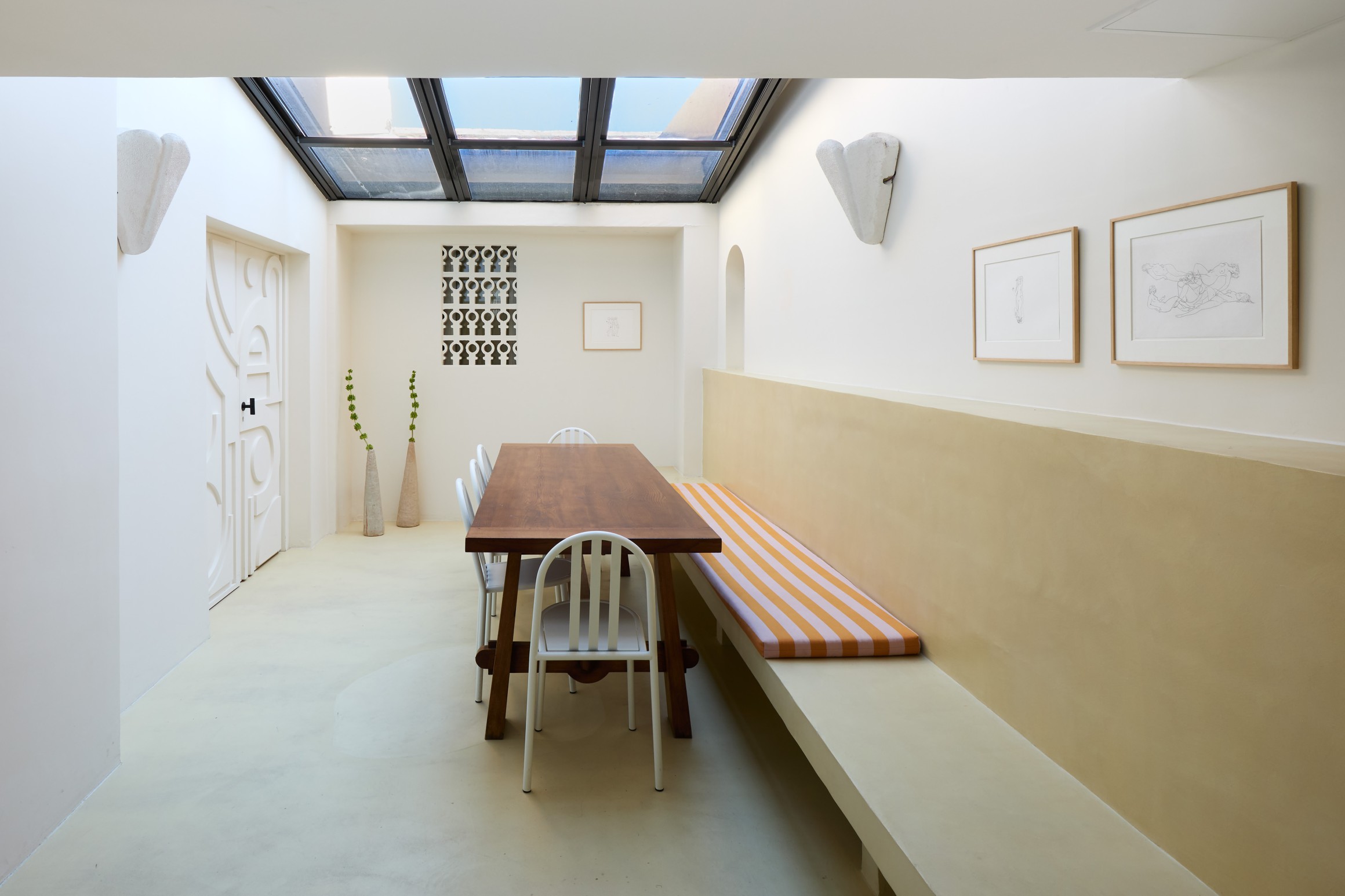
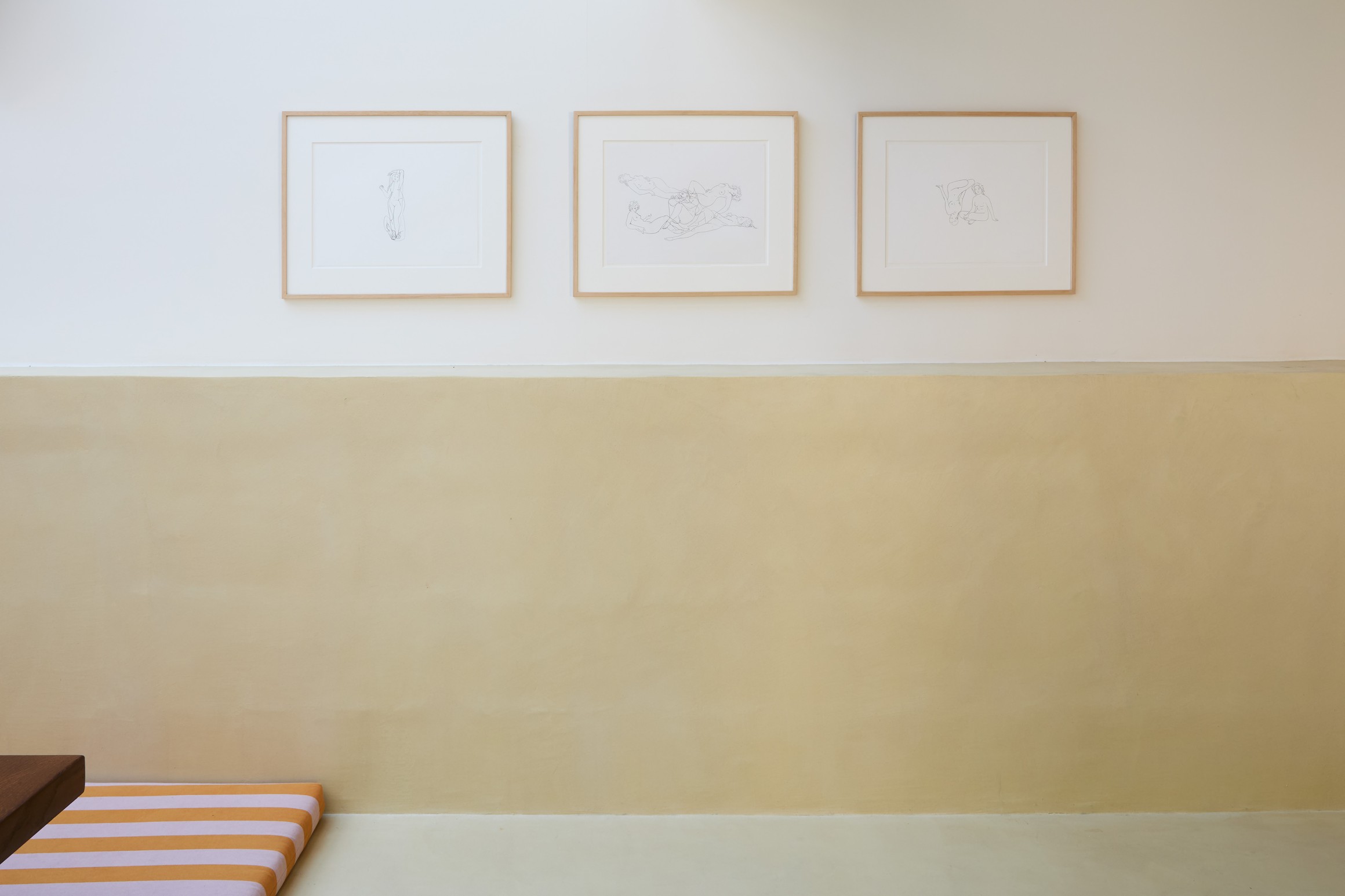
The project Female Gaze, first shown at the gallery as part of the Investec fair in Cape Town, explores the perception of the female body across time, cultures, and art history. It draws on sources ranging from Greek sculpture to Renaissance drawing and painting, as well as Persian, Indian, and Islamic illuminated manuscripts. In many Arab societies, the representation of living beings is prohibited; thus, while the bodies of holy figures are often visible, their faces are veiled. In these miniatures, the artist seeks to construct a subject by combining nudes from classical Renaissance paintings with images of human anatomy. The works depict multiple overlapping female bodies in various positions—standing, lying down, crouching, seated—creating a sense of movement within the scenes. The female bodies appear nude, whether in groups or pairs, exposed in moments of intimacy.
Marilou Poncin
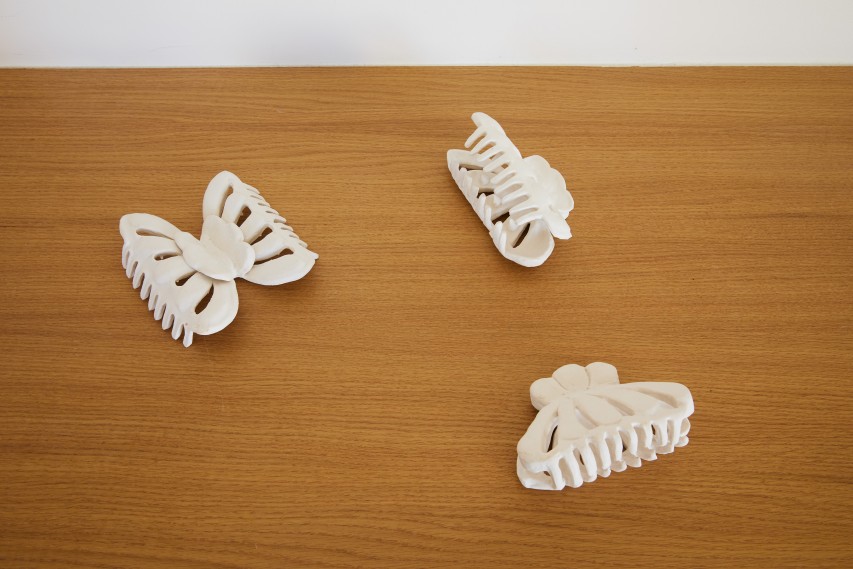
Marilou Poncin’s work questions the representation of the female body in the digital age, oscillating between exposure and self-construction. This series of works—some produced during her participation in Art-O-rama in 2024, marking the gallery’s beginnings in Marseille—highlights an ongoing dialogue between the real and the virtual, the tangible and the fantasized. Her self-portrait, presented on the first floor, becomes an anchor point around which ceramics and drawings orbit, forming a body of work that is both intimate and critical. The images she mobilizes, drawn from both pornographic archives and her own captures, blur temporal and aesthetic boundaries. By deconstructing these iconographies, the artist questions norms of desire, femininity, and the mechanisms through which contemporary identity is constructed.
Gaby Sahhar
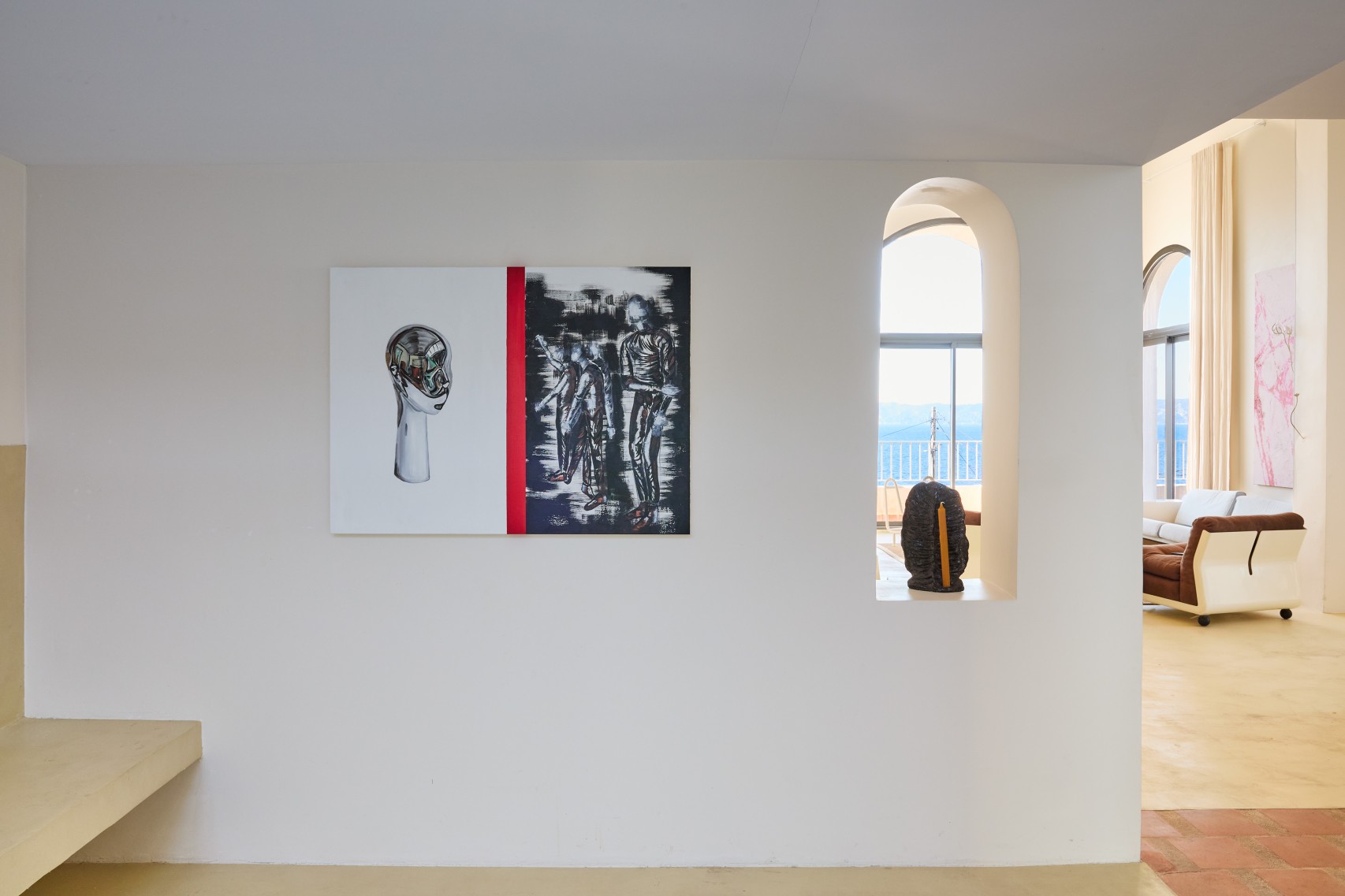
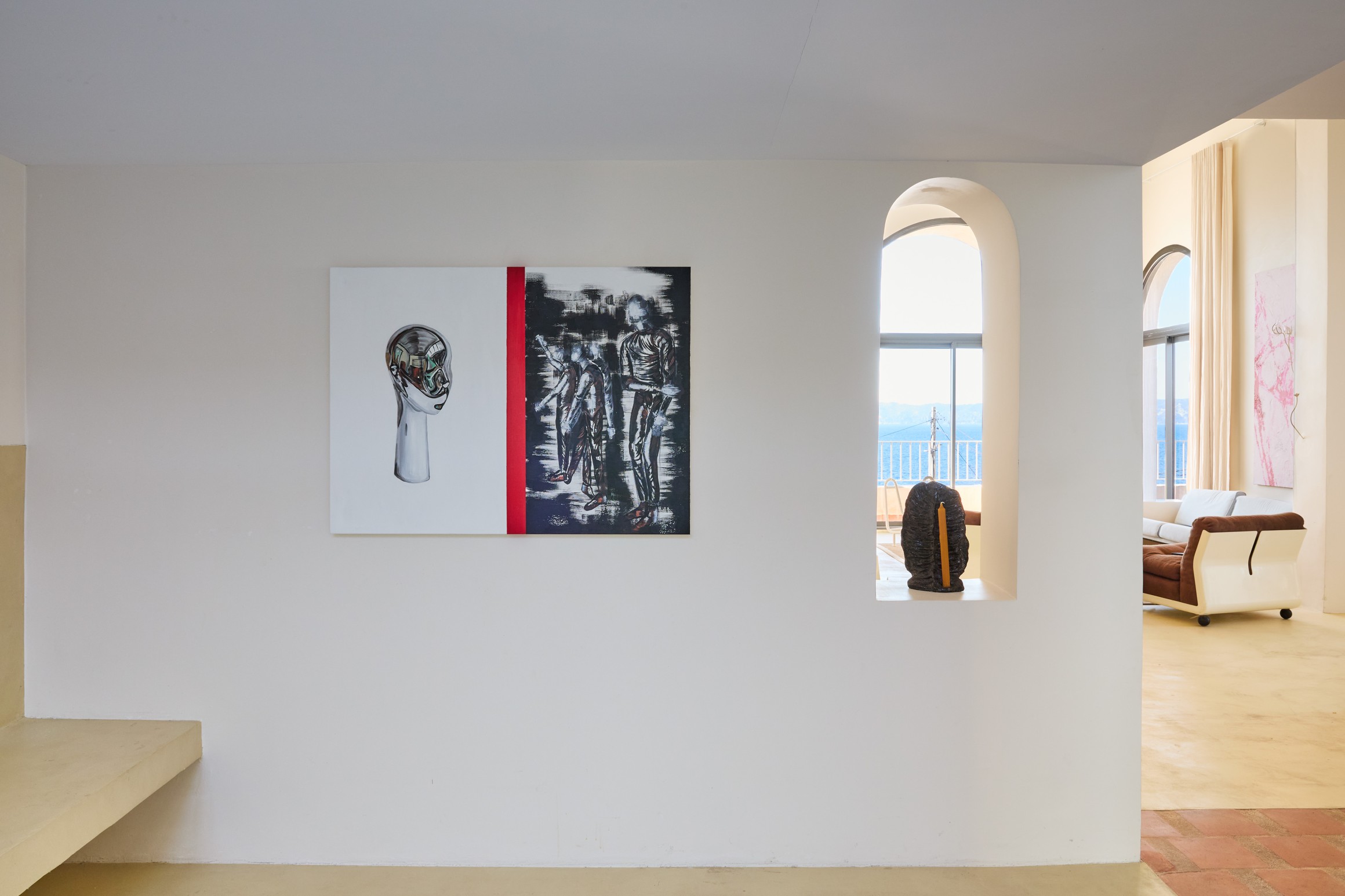
Presented multiple times at the gallery, Gaby Sahhar’s work uses a speculative register to reveal the fragmentation of Palestinian identity under psychological and physical constraints. The mannequin head, appearing twice in the exhibition, embodies a figure freed from borders and fixed categories. A palette of bronze, gold, and silver—combined with imperial imagery—evokes the Middle Eastern sun while enacting a critical defiguration of this culture. His work addresses migration and the dynamics of forced assimilation. Between references to Western pictorial traditions and symbolic détournement, his works articulate a tension between heritage and resistance.
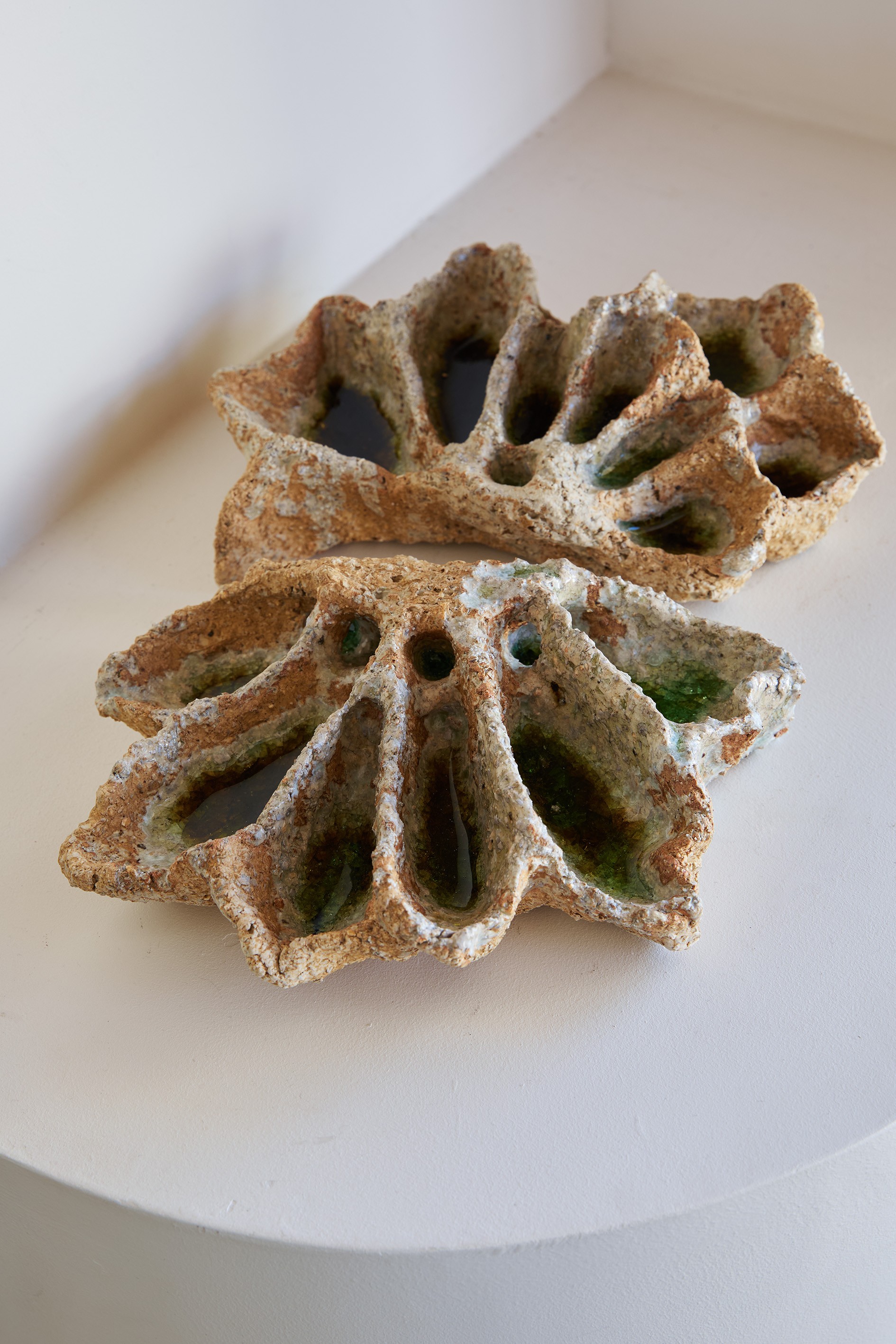
Olivia Stora
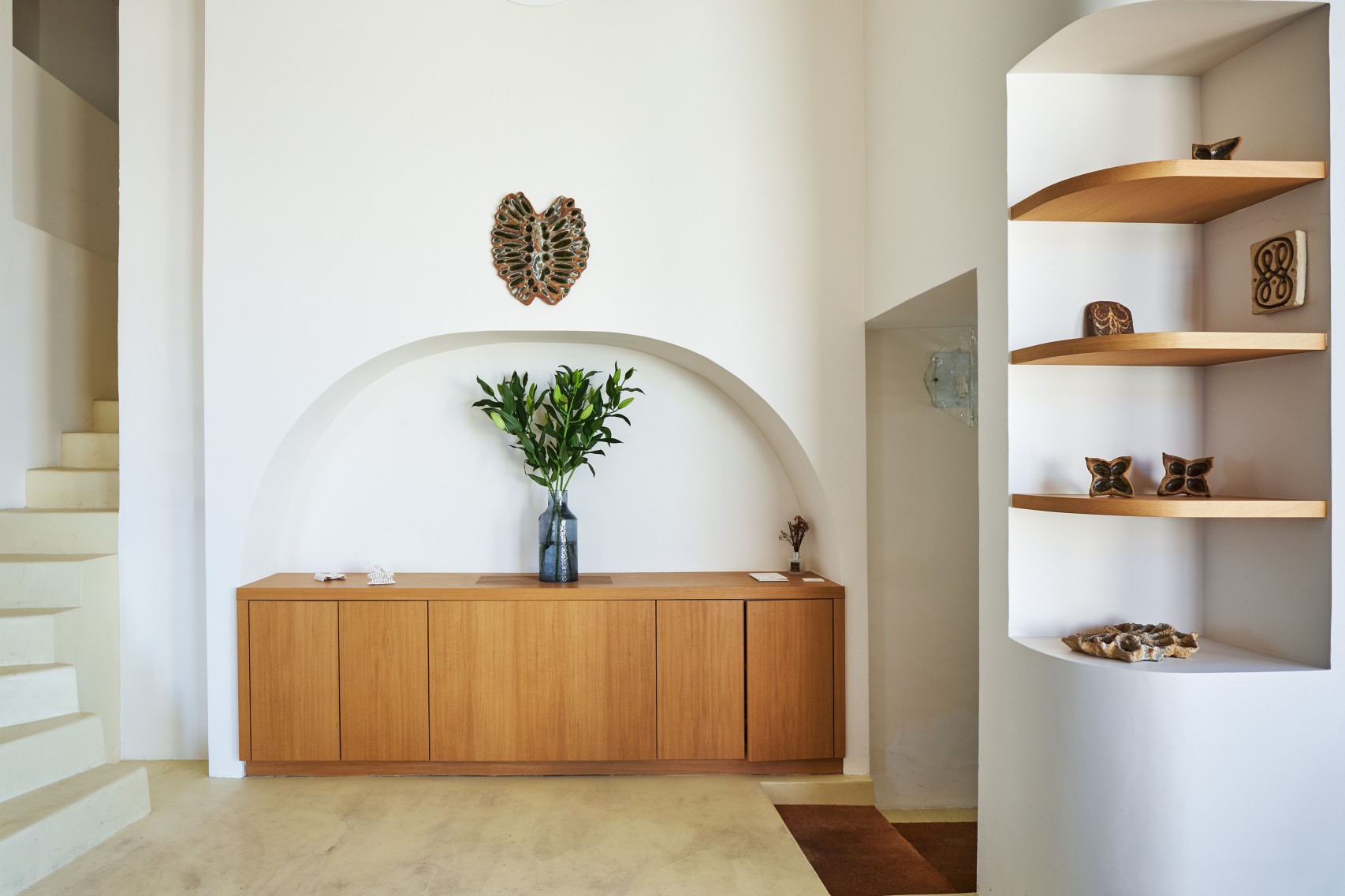
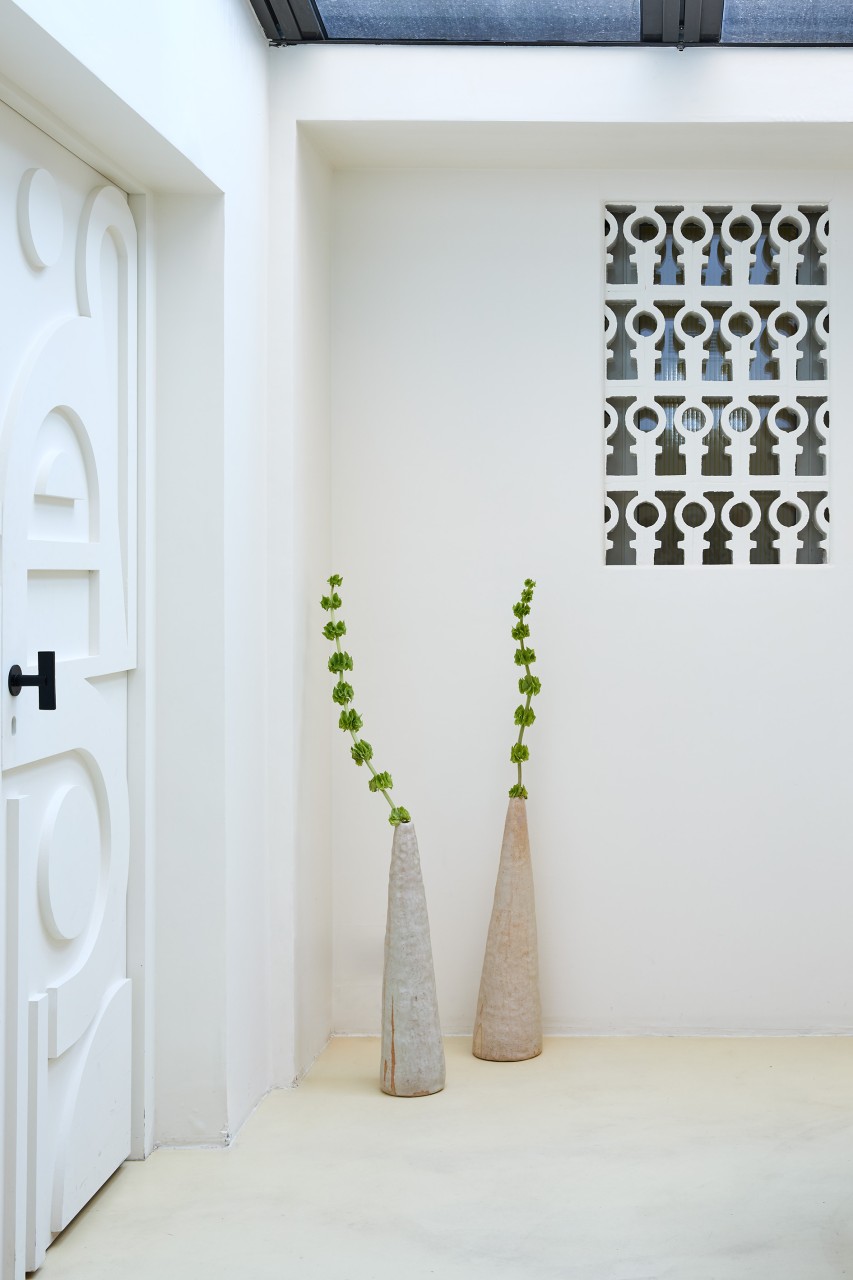
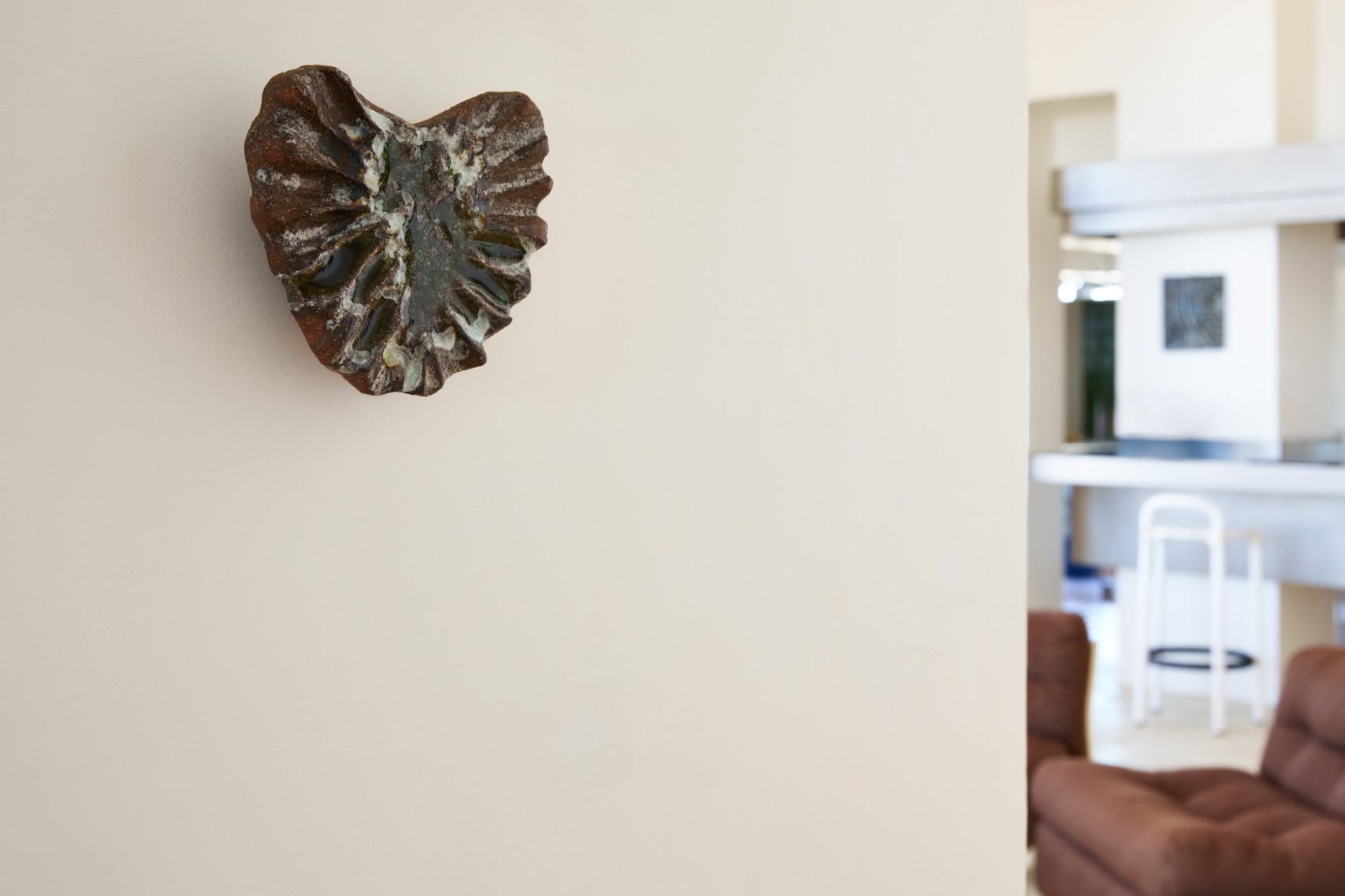
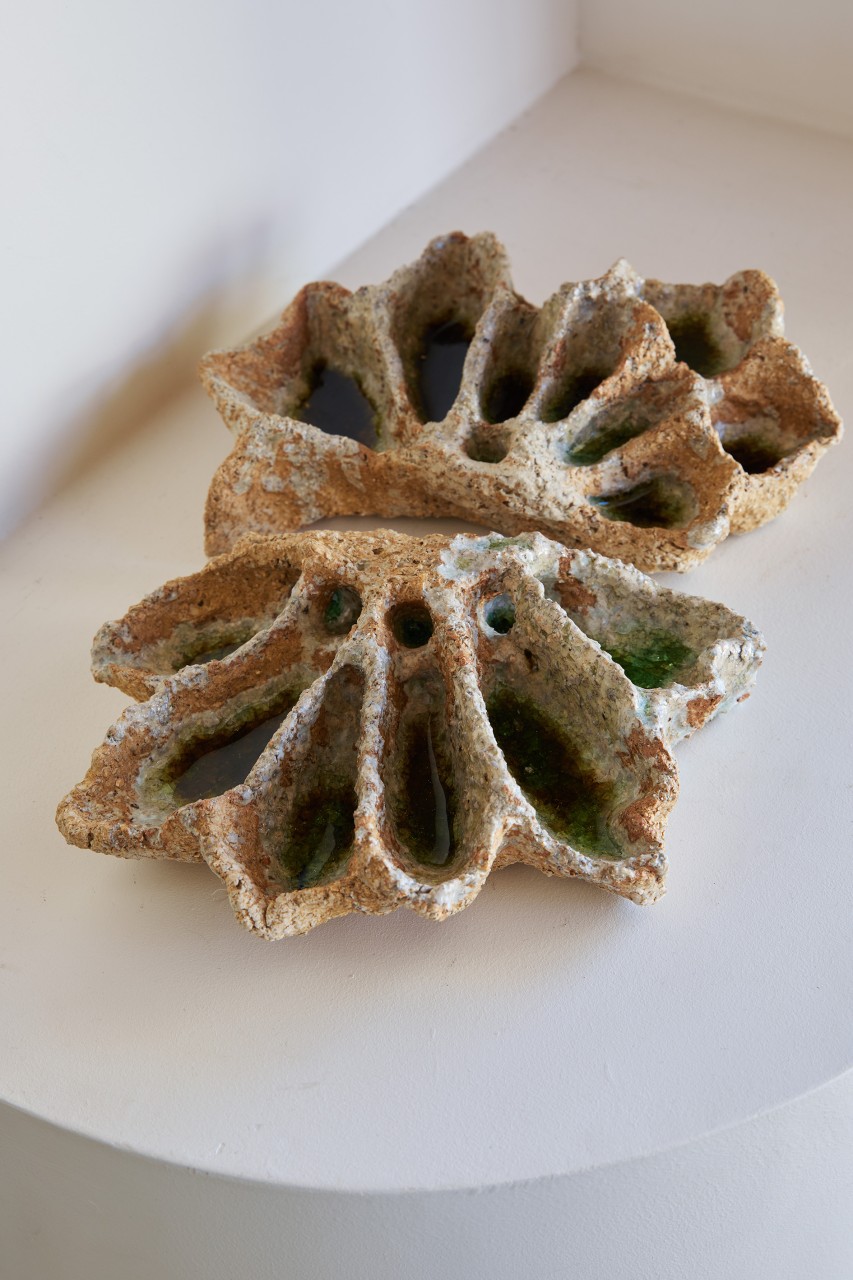
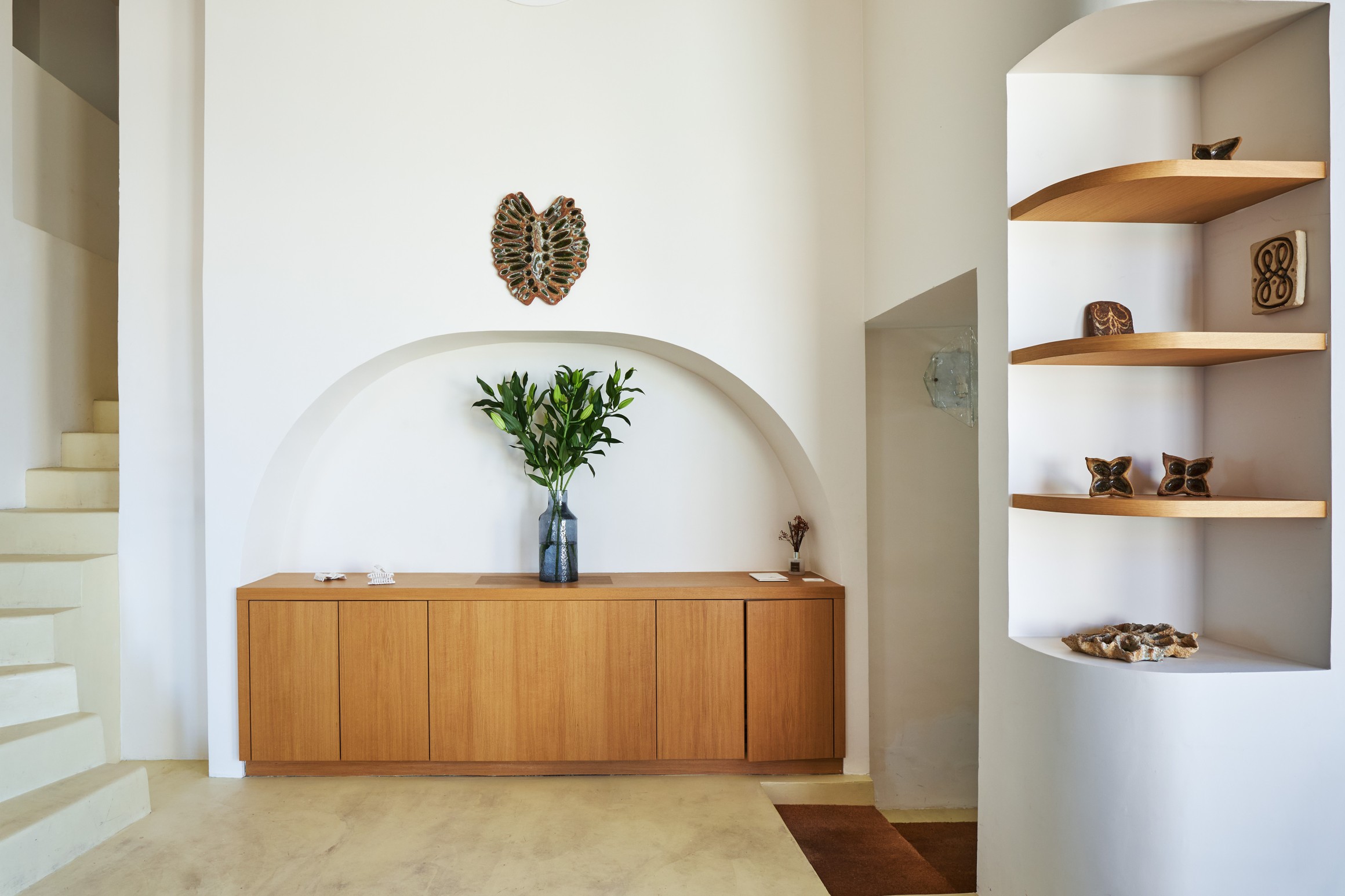
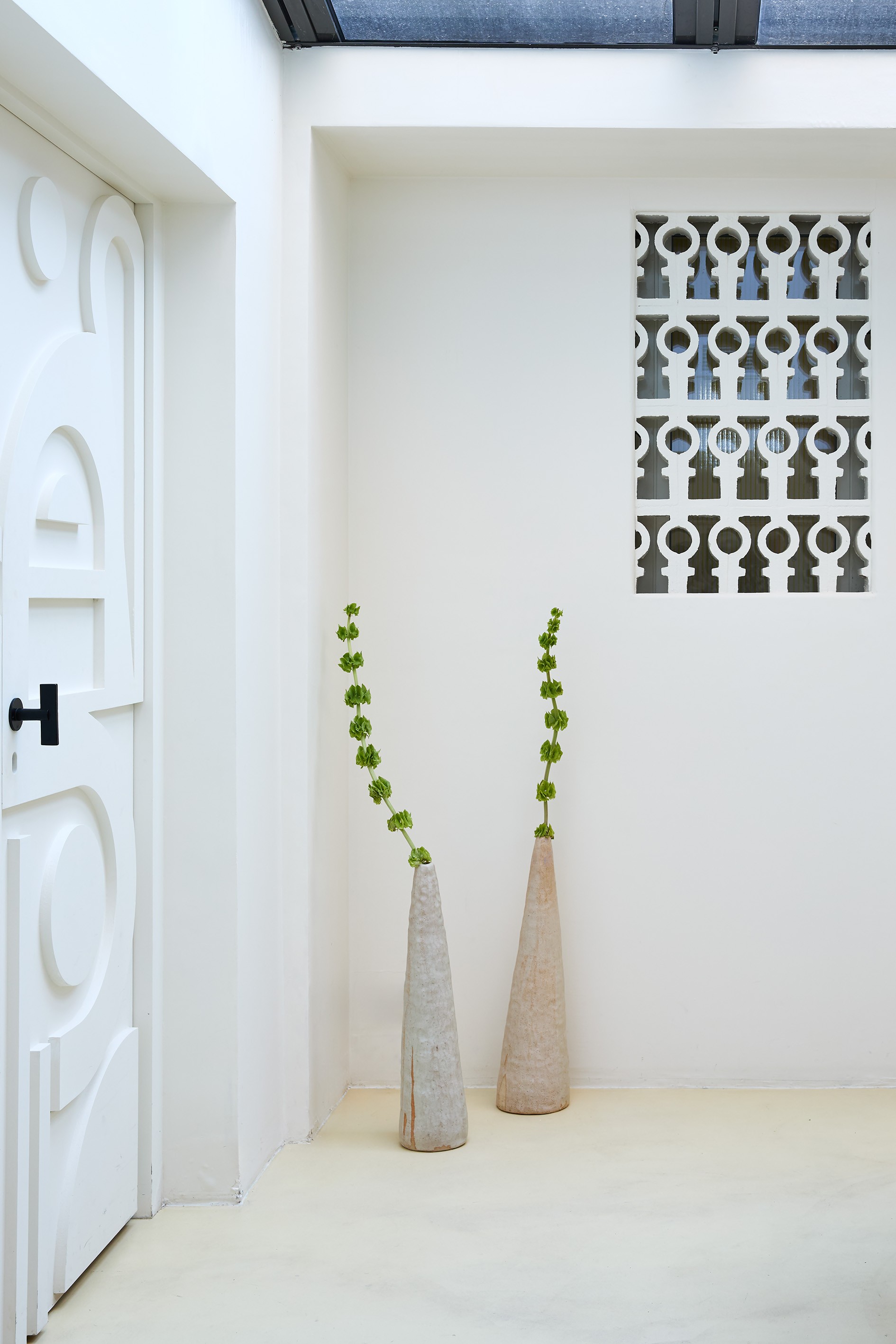
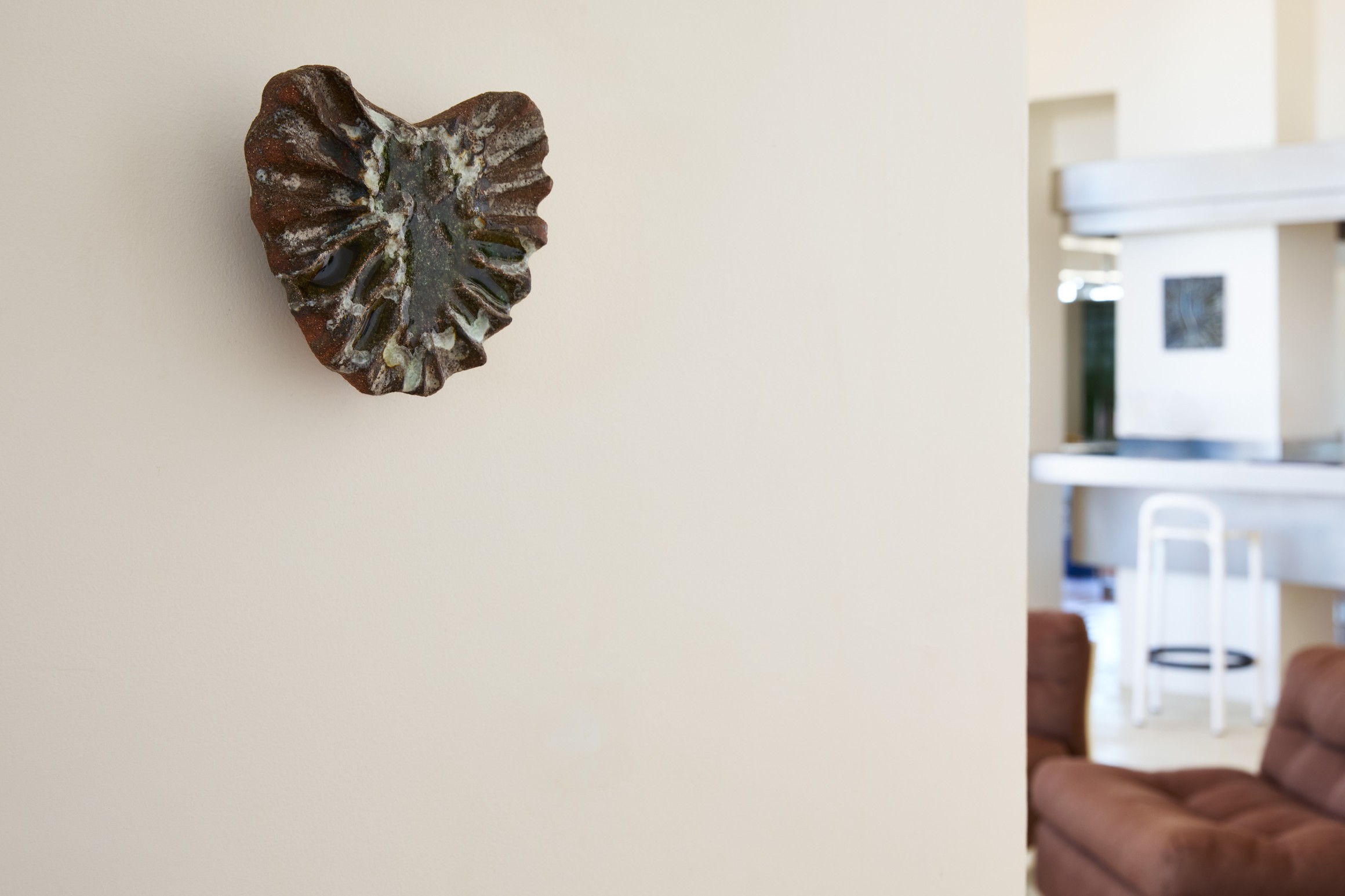
Originally trained as a ceramist, Olivia Stora develops a practice centered on sculpture and installation. She creates forms with uncertain functions and deliberately unstable references, informed by an attention to flows, invisible forces, and the cycles of living matter. Her work engages a dialogue between technical gestures and raw materials, questioning the complex relationships between humans and their environment. By shifting perceptual frameworks, she destabilizes distinctions between natural and artificial, familiar and foreign. The objects she produces appear as both clues and open-ended questions. They evoke interwoven temporalities—from natural history to human narratives—while projecting toward possible futures. A vision runs through her practice: that of an originary world where human traces merge with the very dynamics of nature. Her approach is grounded in the exploration of materials and their transformations, with a particular focus on processes of mutation during firing—moments when matter reconfigures itself and reveals intermediate states. Far from any decorative purpose, these experiments form the active core of her work, opening up sensitive spaces that invite attentive, questioning, and wonder-filled experiences.
Jack Warne
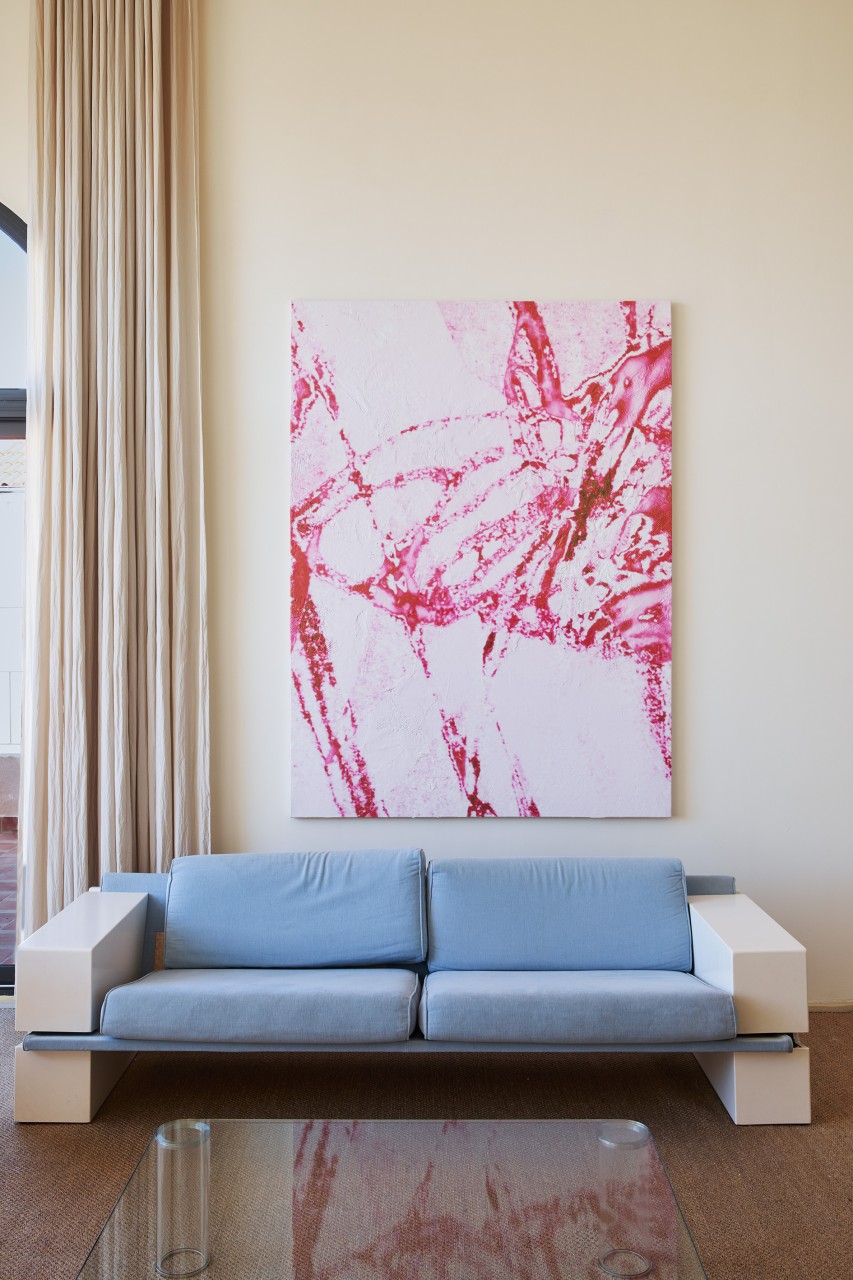
Produced for the Artissima fair in 2024, Hasas Reeps Tino Het Rimmor stems from a photograph taken by the artist. It represents one facet of a single memory painted twice. What we see here is one part of this pair of twin works. The same applies to My Defold Ear Teems Your Etinar, produced during a stay in Sicily and revealing a microscopic view captured through a landscape encountered there. These displaced fragments evoke fleeting impressions, a visual memory the artist attempts to grasp. In both works, the addition of augmented reality filters intensifies this exploration of textures and tones, allowing viewers to experience multiple temporalities through contrasting perceptual rhythms—fast and slow—that meet and oppose one another.